

What is
Acne?
Acne is more than a skin concern. It deserves proper medical attention.
Acne is one of the most common skin conditions we see at Reborn, affecting teenagers and adults alike. It occurs when pores become clogged with oil, dead skin cells, and bacteria.
If over-the-counter products are not providing sufficient improvement, or if acne is beginning to leave scars, a medical evaluation can help identify the underlying cause and the most effective approach for your skin.
Types of Acne
Acne varies in severity and depth, which influences the treatment approach.
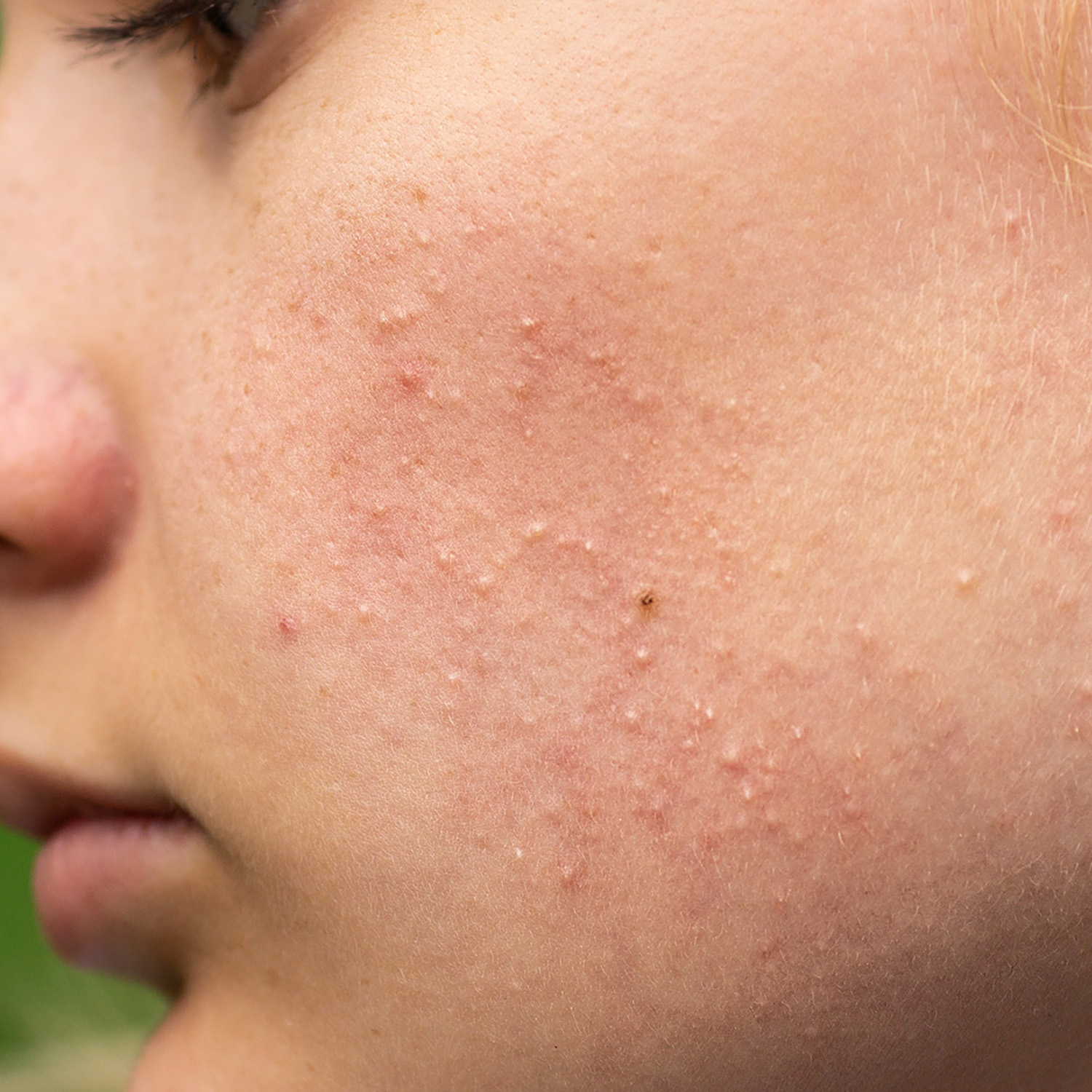
Comedonal Acne
Includes blackheads and whiteheads caused by clogged pores. Often seen on the forehead, cheeks, and nose. Generally the mildest form of acne.
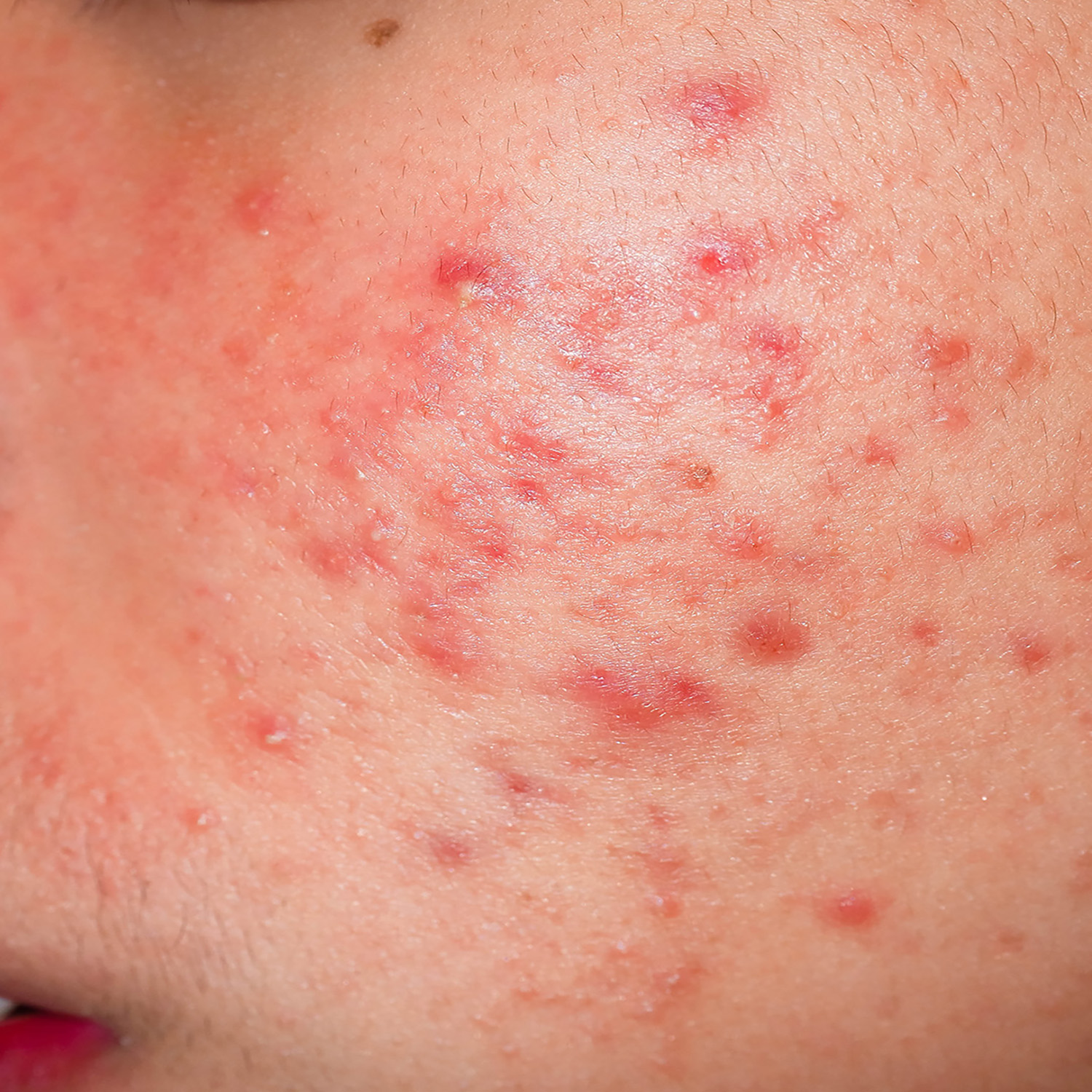
Inflammatory Acne
Red bumps, pustules, and tender lesions caused by bacteria and inflammation within the follicle. More likely to leave marks if not treated promptly.
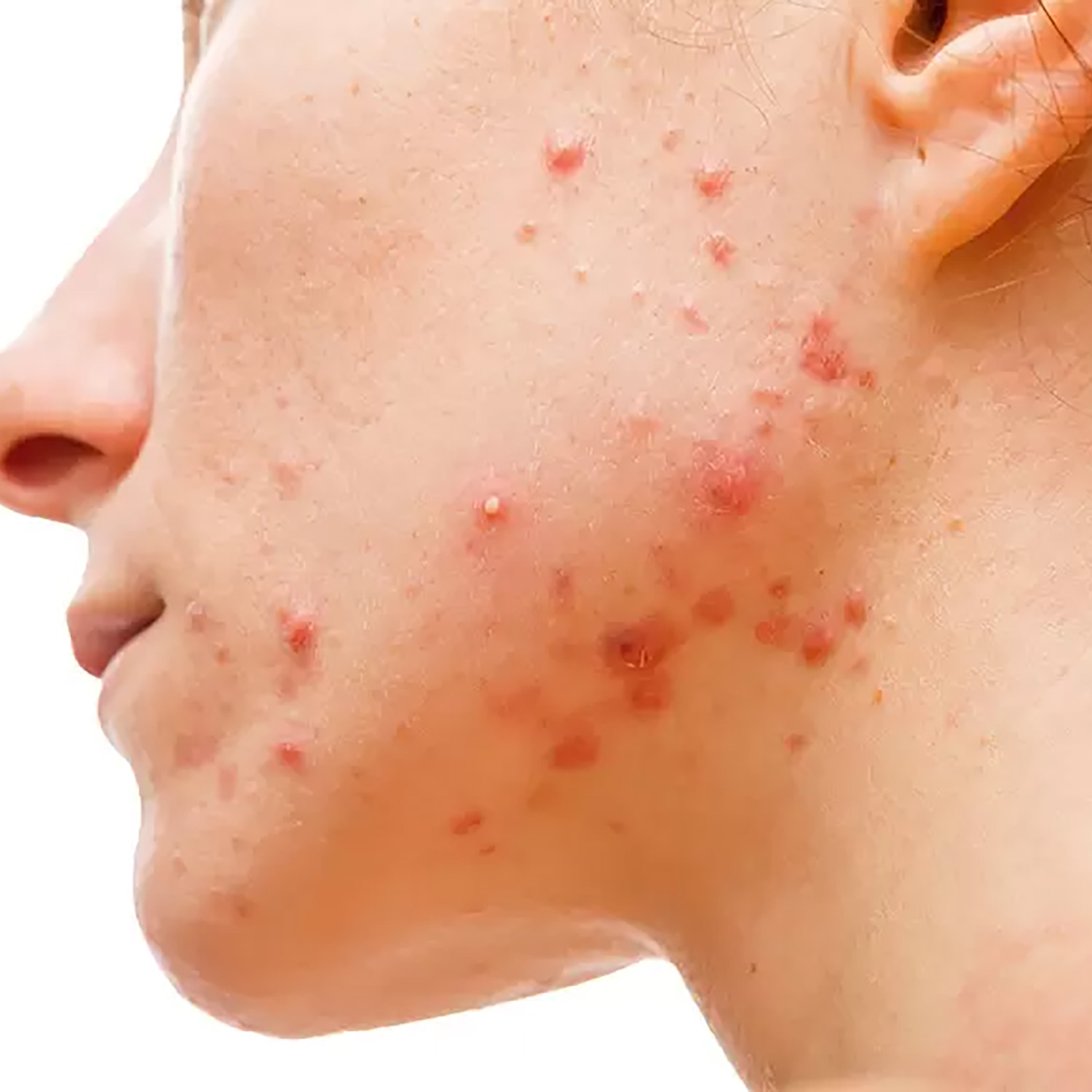
Hormonal Acne
Breakouts commonly appearing along the jawline and chin, often fluctuating with the menstrual cycle, stress, or hormonal changes. Common in adult women.
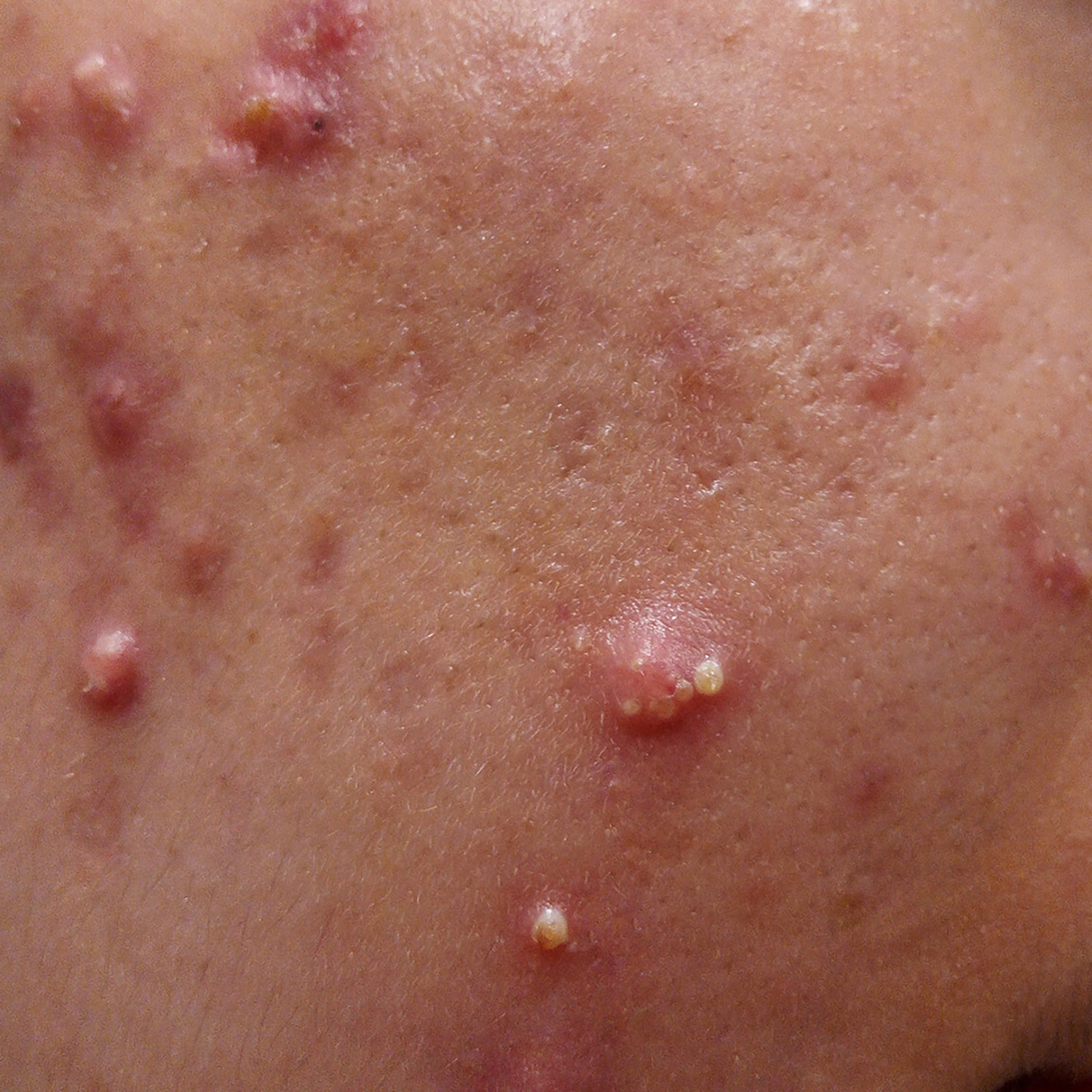
Nodulocystic Acne
Deep, painful lumps beneath the skin. These take longer to heal, are more likely to cause scarring, and typically require more targeted medical management.
What causes acne?
Excess sebum production
Overactive sebaceous glands produce more oil, clogging pores.
Bacterial activity
Cutibacterium acnes bacteria thrive in blocked pores and drive inflammation.
Hormonal fluctuations
Changes during puberty, menstruation, or PCOS increase oil production.
Genetics
Family history of acne increases likelihood regardless of skincare habits.
Lifestyle factors
Stress, lack of sleep, high-sugar or high-dairy diet, dehydration.
Skincare & cosmetics
Comedogenic products can clog pores and worsen congestion.
Poor hygiene habits
Not regularly changing pillowcases or frequently touching the face.
Recommended
Treatments
Our doctors will assess your acne type and recommend a personalised treatment plan.
Prescription Topical & Oral Medication
Topical and/or oral medications help control and improve your acne, and will be discussed during consultation.
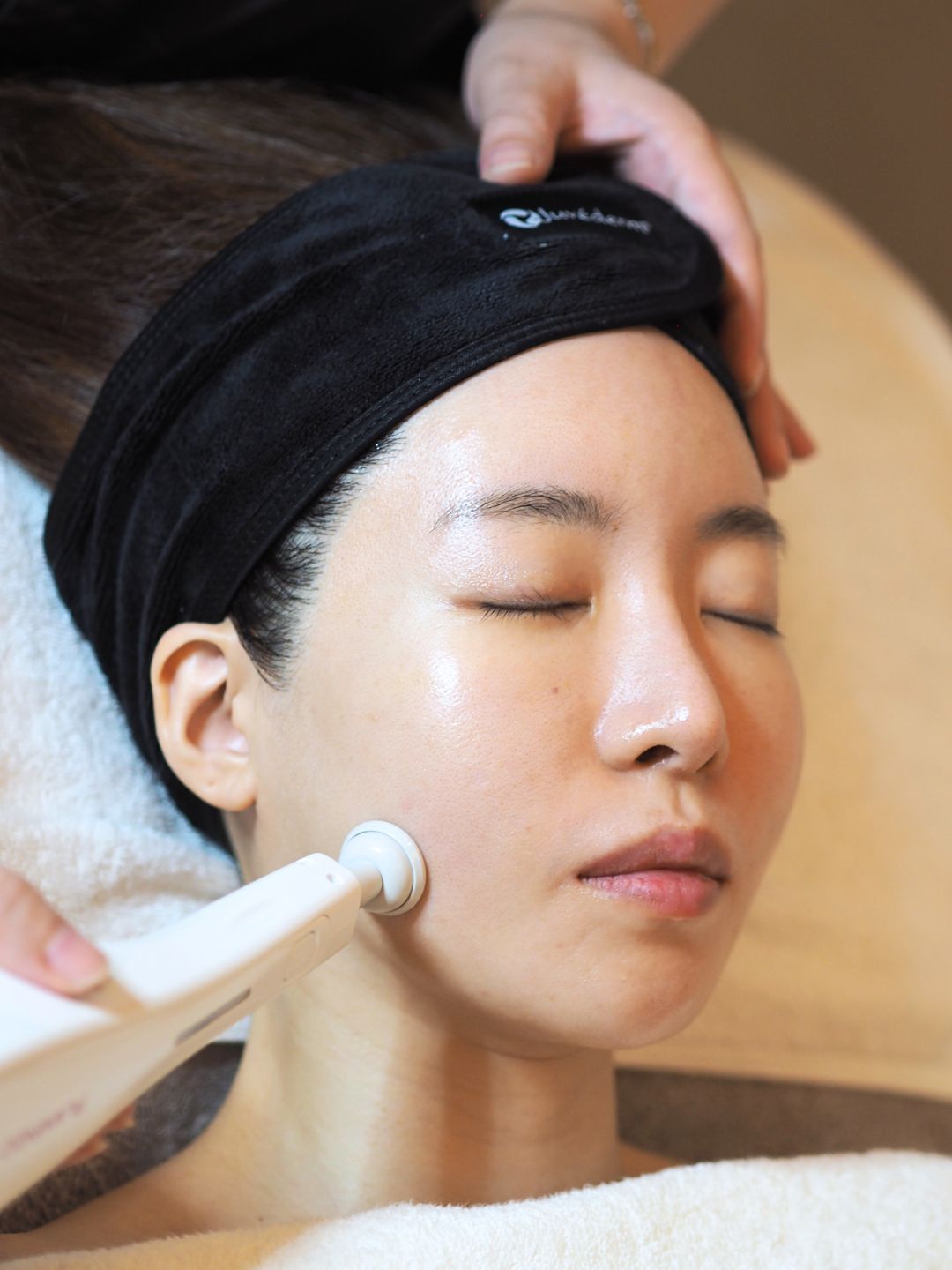
What to Expect
Acne management is a gradual process and typically requires a combination of approaches.
Most patients begin to see improvement within the first few weeks of starting a medical plan, with more significant results developing over several months of consistent treatment.
In-clinic treatments work best when combined with appropriate prescription skincare and lifestyle adjustments.
Frequently Asked
Questions
Persistent, painful, or scarring acne should be assessed by a doctor to determine the underlying cause and prevent long-term marks and deeper scars.
Some mild acne may improve with time, but moderate or hormonal acne often recurs without proper management. Early intervention reduces the risk of scarring.
Cosmetic treatments may temporarily improve congestion but may not address deeper inflammation. Doctor-guided treatment ensures safer, more targeted care.
When performed by trained medical professionals, lasers may help with inflammation, marks, and early scars. Your doctor will assess your skin type and discuss expected outcomes.
Medical-grade topical care may take weeks, while in-clinic treatments show improvement over repeated sessions. Consistency is key to achieving lasting clearance.
Yes. Acne is influenced by hormones, lifestyle, and genetics. Long-term maintenance, proper skincare, and periodic reviews help reduce recurrence.
Disclaimer
This page is for general educational purposes and does not constitute medical advice. Please consult our doctors for an accurate diagnosis and personalised treatment recommendations.