

What are
Acne Scars?
Acne fades. The scars it leaves behind don't have to.
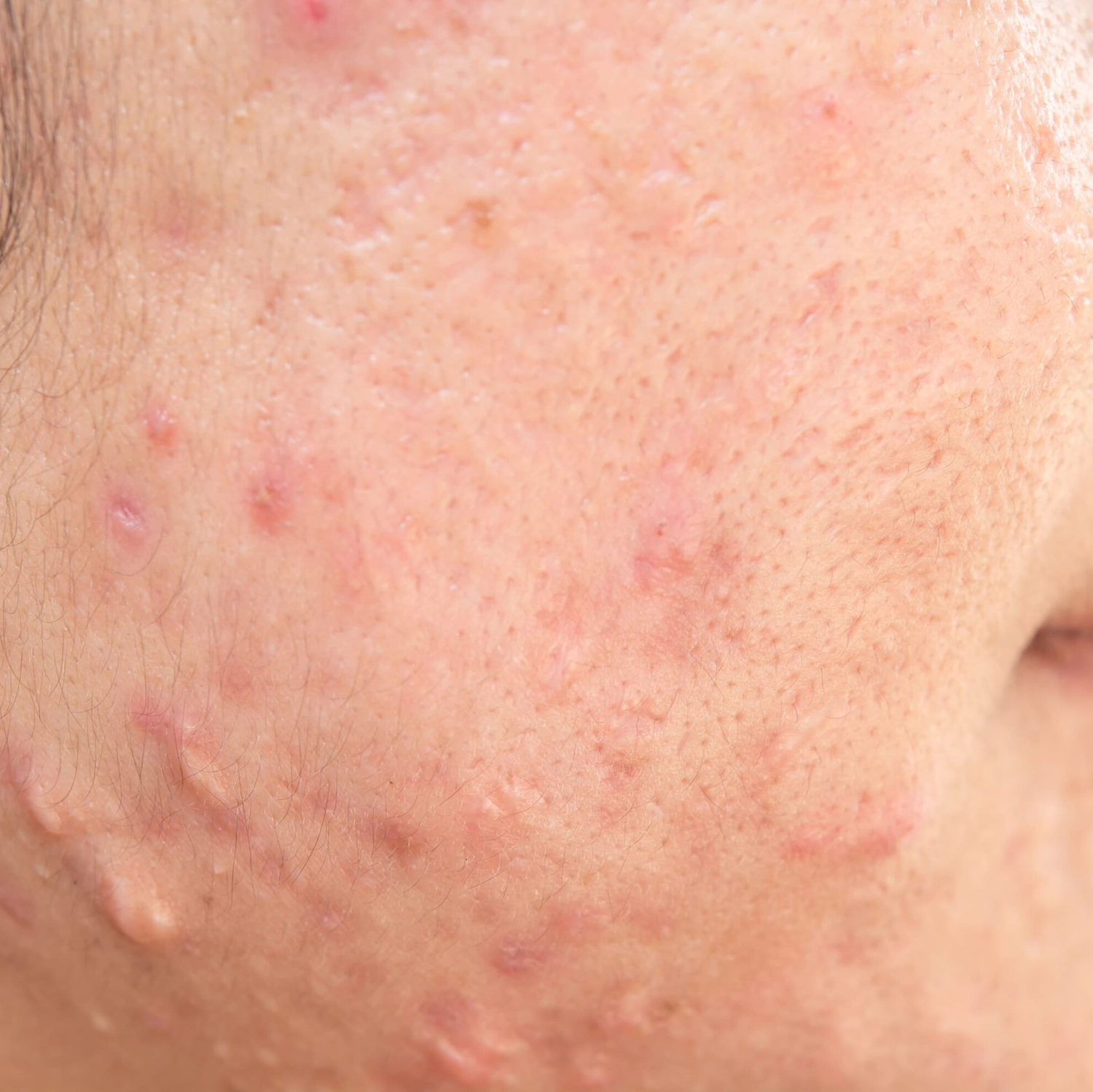
Acne scarring occurs when inflamed acne lesions damage the skin tissue, leading to long-term changes in texture or pigmentation.
These scars can appear as depressions, raised bumps, or dark marks that persist even after active acne has resolved. The good news is that most acne scars can be meaningfully improved with the right medical treatment plan.
Types of Acne Scars
Scars vary in depth and type, directly influencing the treatment approach.
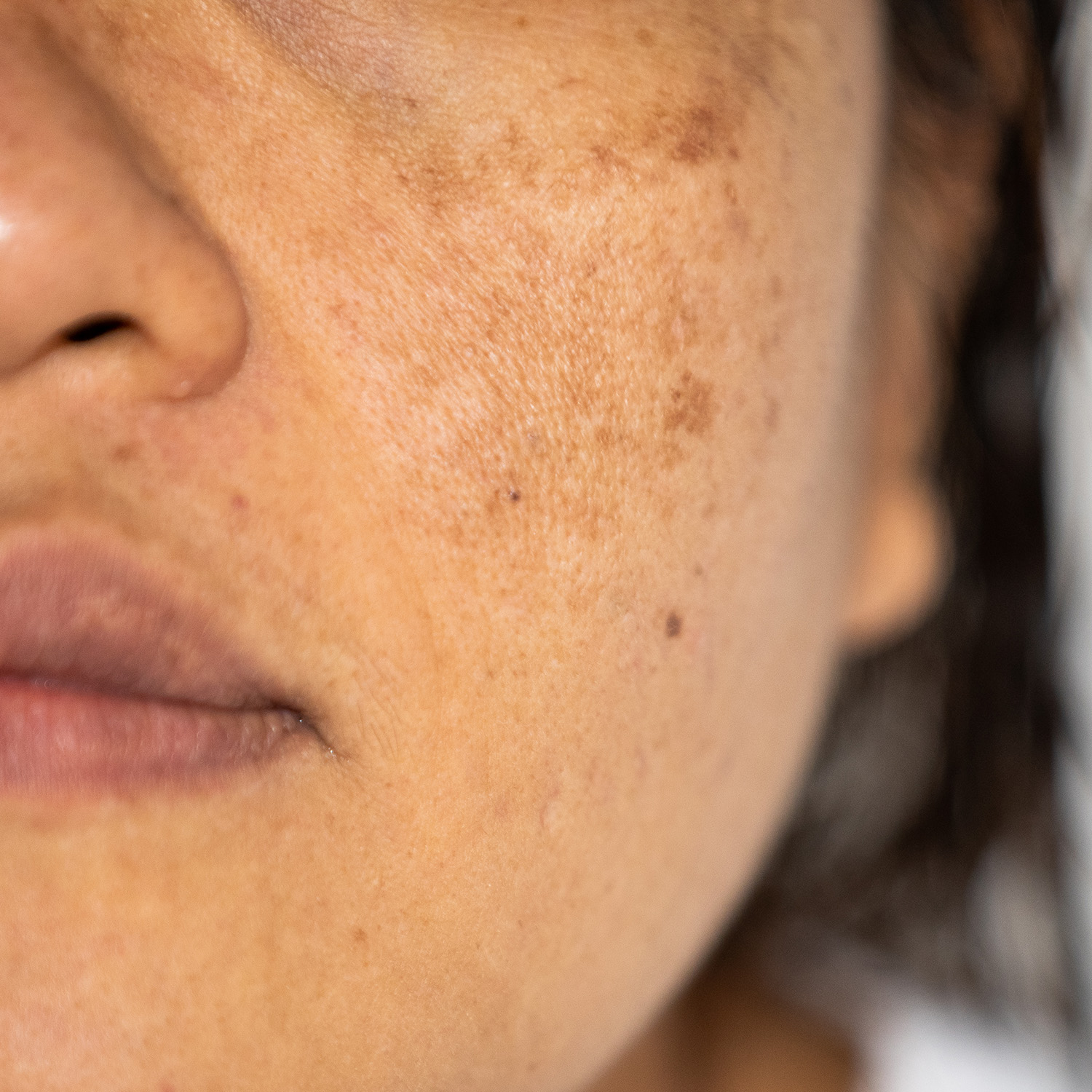
Post-Inflammatory Hyperpigmentation (PIH)
Flat brown or purplish marks left after acne inflammation. Not technically a scar, but a common concern that often accompanies textural scarring.
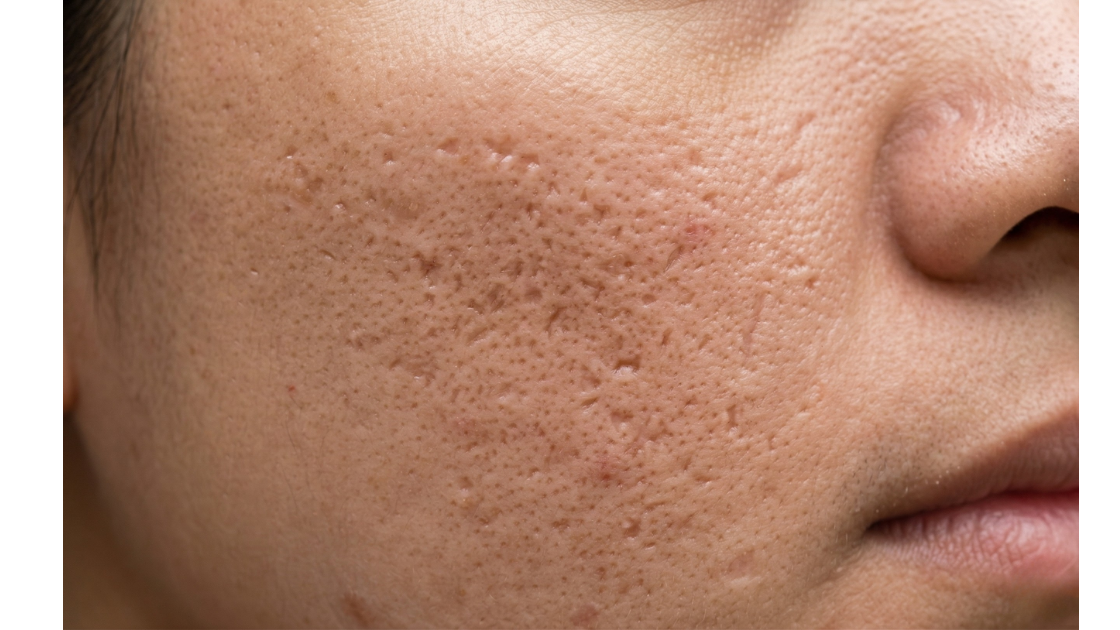
Ice Pick Scars
Narrow, deep pits that extend into the dermis. One of the more challenging scar types to treat due to their depth.
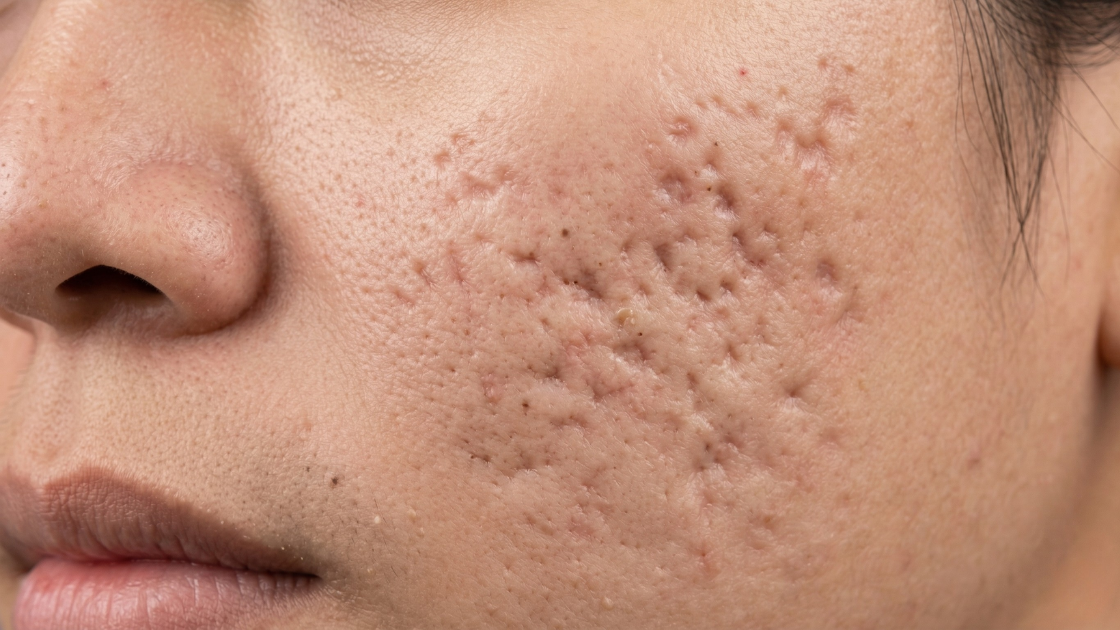
Boxcar Scars
Round or oval depressions with sharper, more defined edges. Vary in depth and generally respond well to resurfacing treatments.
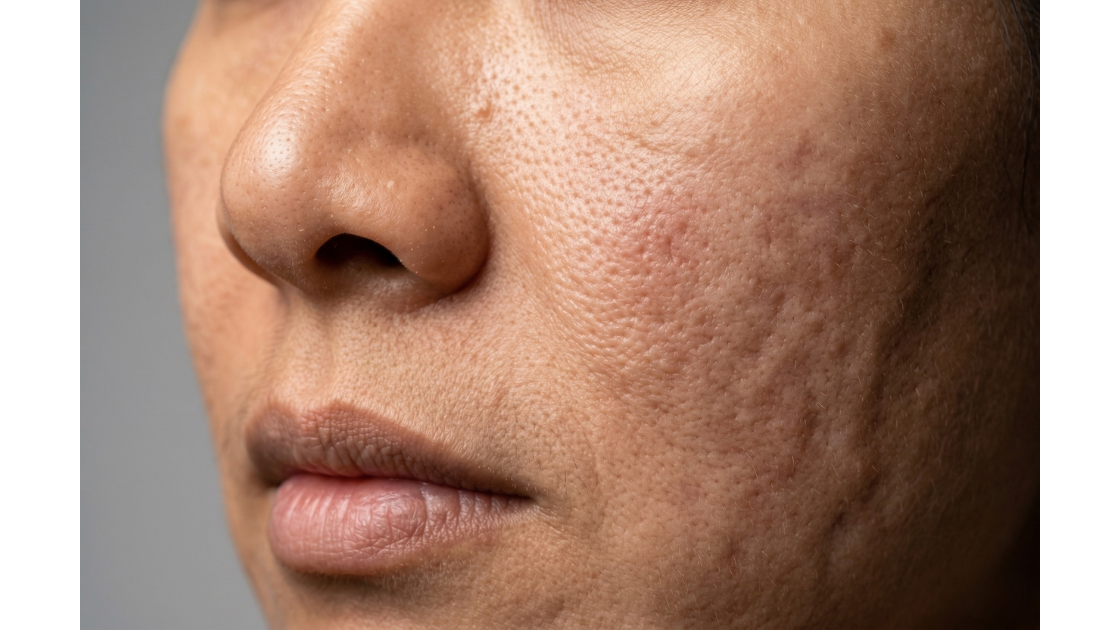
Rolling Scars
Broad, wave-like undulations caused by tethered scar tissue beneath the skin's surface. Create an uneven, rolling texture across the skin.
Hypertrophic or Keloid Scars
Raised bumps caused by excess collagen formation during healing. More common in darker skin types and require a different treatment approach.
What causes acne scars?
Delayed acne treatment
Prolonged inflammation significantly increases the risk of textural scarring.
Severity of acne
Cystic and nodular acne are more likely to cause deeper, more pronounced scars.
Genetics
Some individuals naturally develop scar tissue more easily, regardless of acne severity.
Skin picking or squeezing
Disrupts the skin's natural healing process and significantly increases the risk of permanent scarring.
Inflammation
The stronger and more prolonged the inflammation, the higher the chance of collagen disruption.
Recommended
Treatments
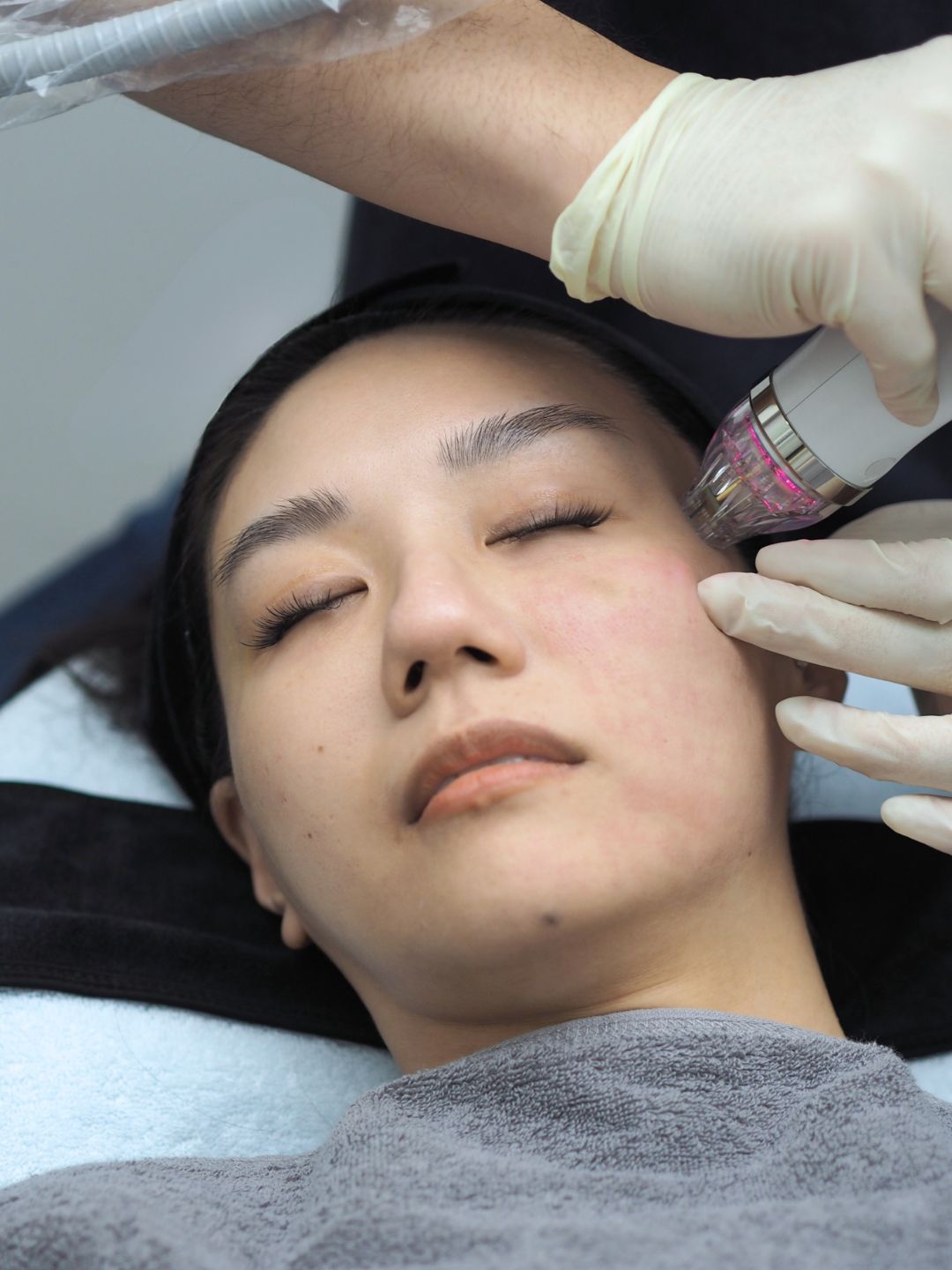
Our doctors will assess your scar type and recommend a personalised treatment plan.
Subcision
Subcision releases tethered scarring and is an essential early step in treating severe atrophic scarring.
Other Biostimulators
Your doctor may suggest additional biostimulator options to support collagen regeneration and overall skin structural improvement.
What to Expect
Acne scar treatment is a gradual, multi-session process. Results depend on the scar type, depth, and the treatments selected.
Older and deeper atrophic scars typically require more intensive, longer-term treatment spread over months.
Most patients notice progressive improvement in texture, tone, and overall skin quality across their treatment programme. Combining multiple modalities typically produces more comprehensive results than a single treatment approach alone.
Frequently Asked
Questions
Some superficial pigmentation marks may fade gradually with time and sun protection. However, textural scars such as ice pick, boxcar, or rolling scars typically require medical treatment to visibly improve.
This varies depending on the scar type, severity, and the treatment selected. Older, deeper atrophic scars tend to require multiple stronger treatments spread over months to years.
Most scars can be meaningfully improved with appropriate medical treatments, though outcomes vary according to individual skin response, scar depth, and treatment consistency.
Some treatments involve minimal downtime, while others such as Regenesis Prime may require a few days of recovery. Your doctor will explain what to expect during consultation.
Active acne should generally be controlled before beginning more intensive scar treatments, to prevent new scars from forming and to allow the skin to tolerate treatment effectively.
Disclaimer
This page is for general educational purposes and does not constitute medical advice. Please consult our doctors for an accurate diagnosis and personalised treatment recommendations.