

What is
Pigmentation?
Clearer skin starts with understanding what's beneath the surface.
Pigmentation is one of the most common skin concerns we see at Reborn. Nearly everyone will experience some form of it — whether it's sun spots that appear with age, post-acne marks, or more complex conditions like melasma. While generally harmless, pigmentation can be a significant source of distress and affect confidence.
Understanding the type and depth of your pigmentation is the first step to treating it effectively.
Types of Pigmentation
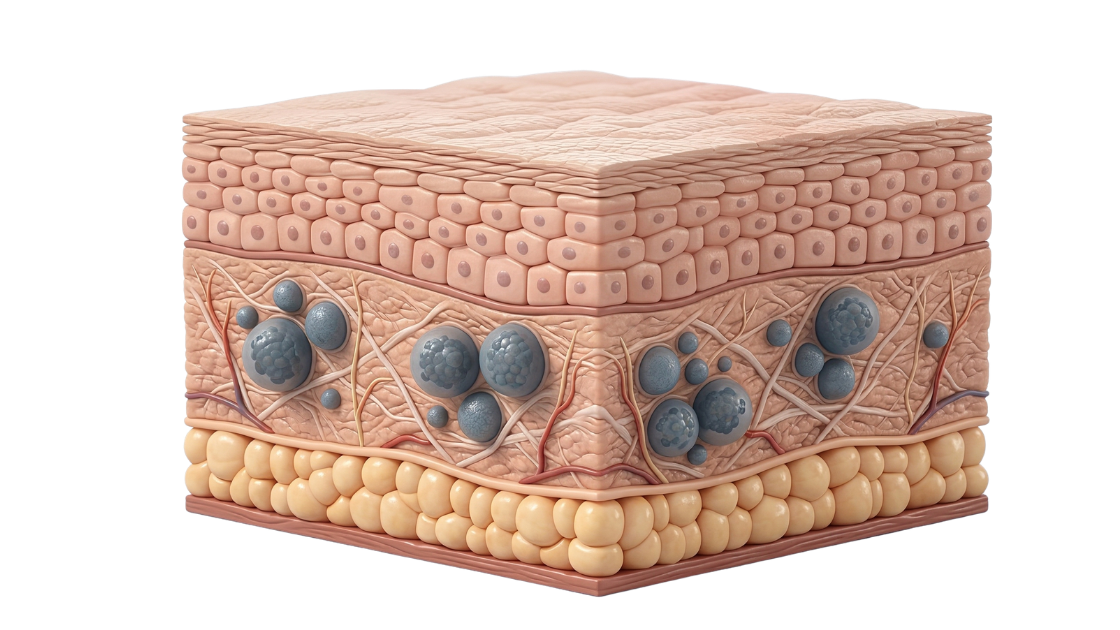
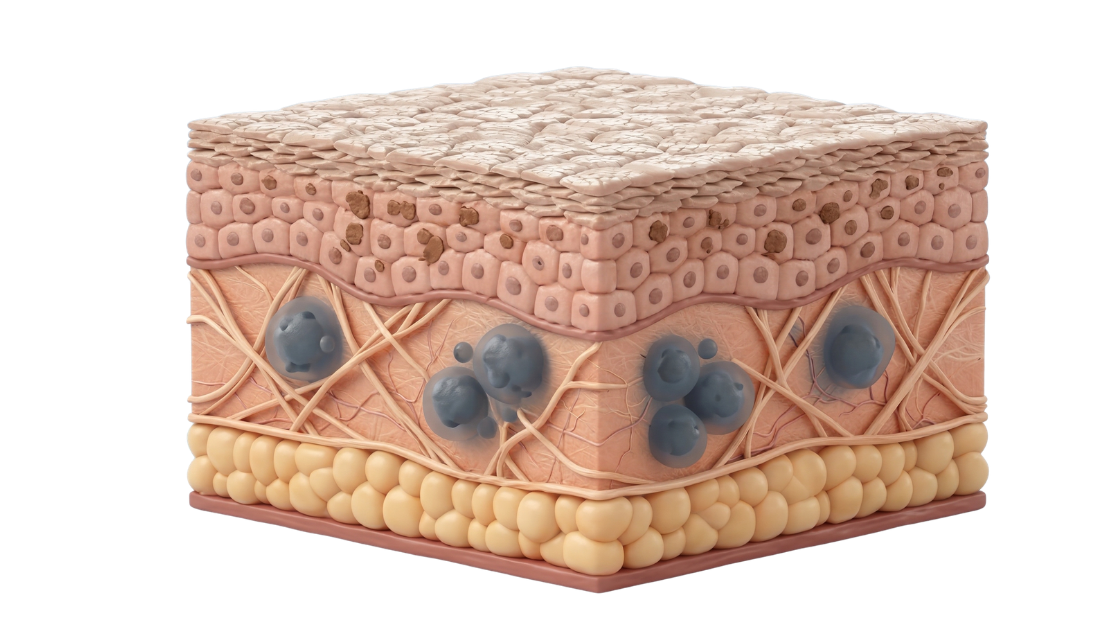
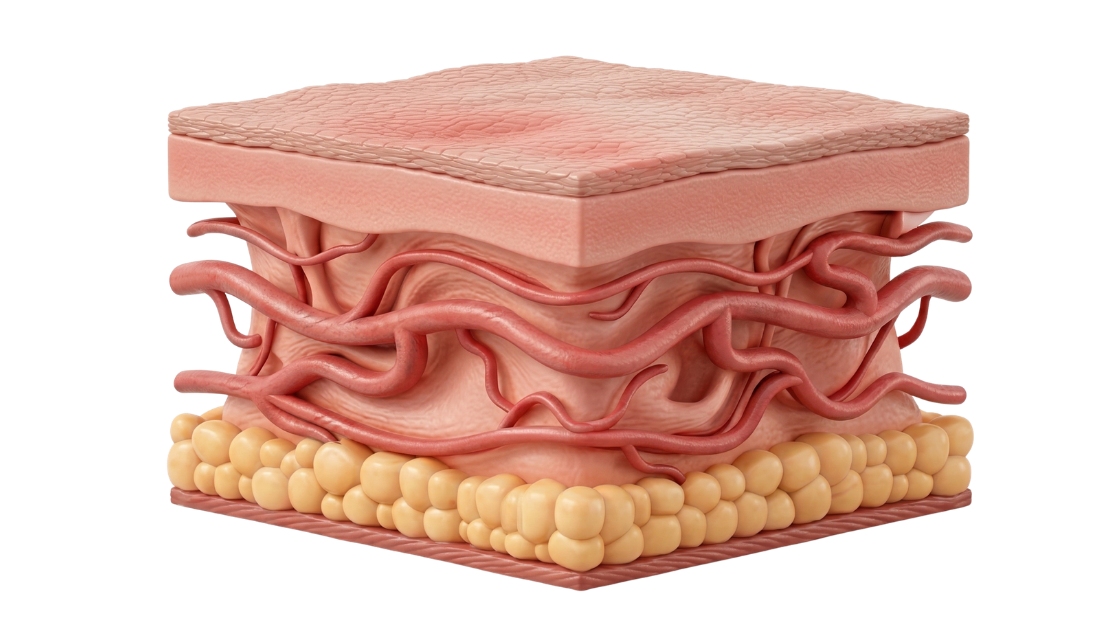
Pigmentation can be divided by its depth in the skin, which directly influences the treatment approach.
Surface Layer
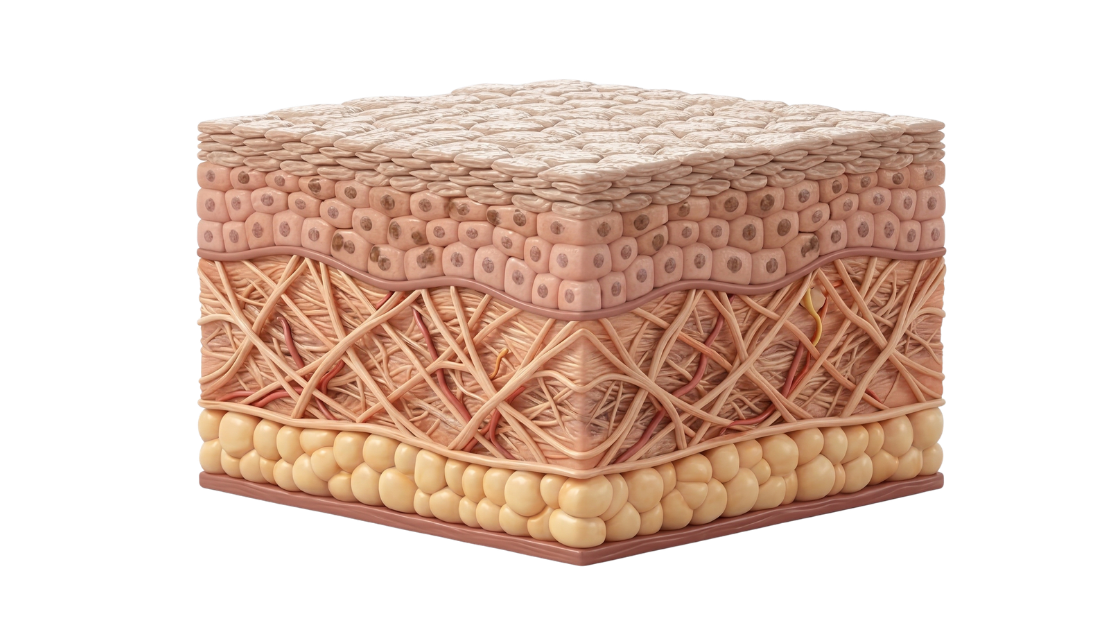
Epidermal
Sits in the outer layer of skin. Appears as distinct, sharply defined marks. Generally more responsive to treatment, though can recur with sun exposure.
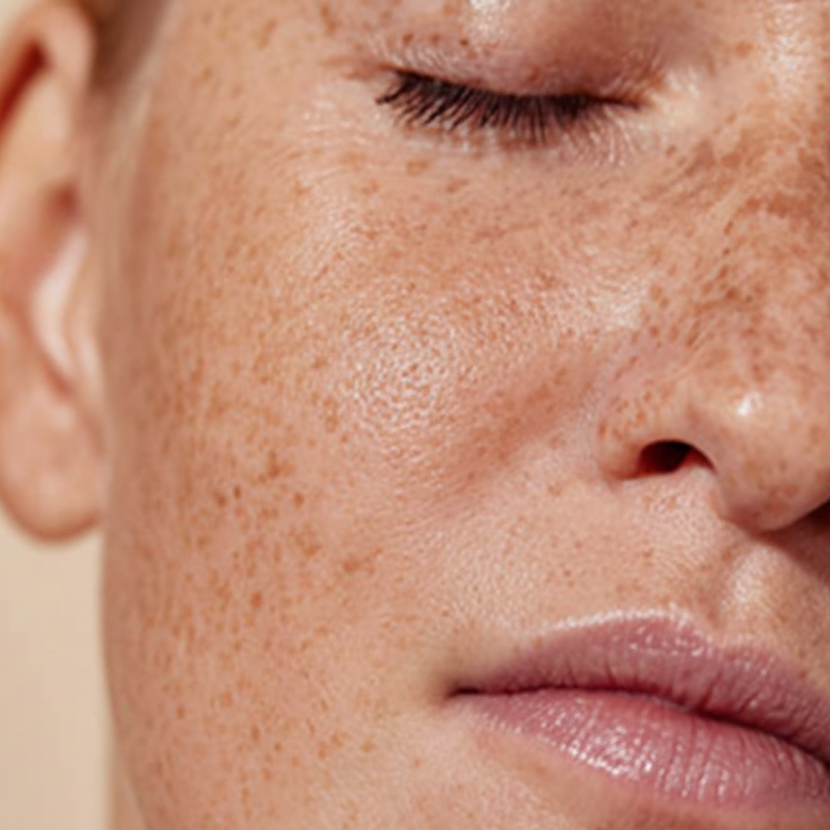
Freckles
Small, distinct brown spots, often genetic and worsened by UV exposure. Respond well to treatment but can return with sun exposure.
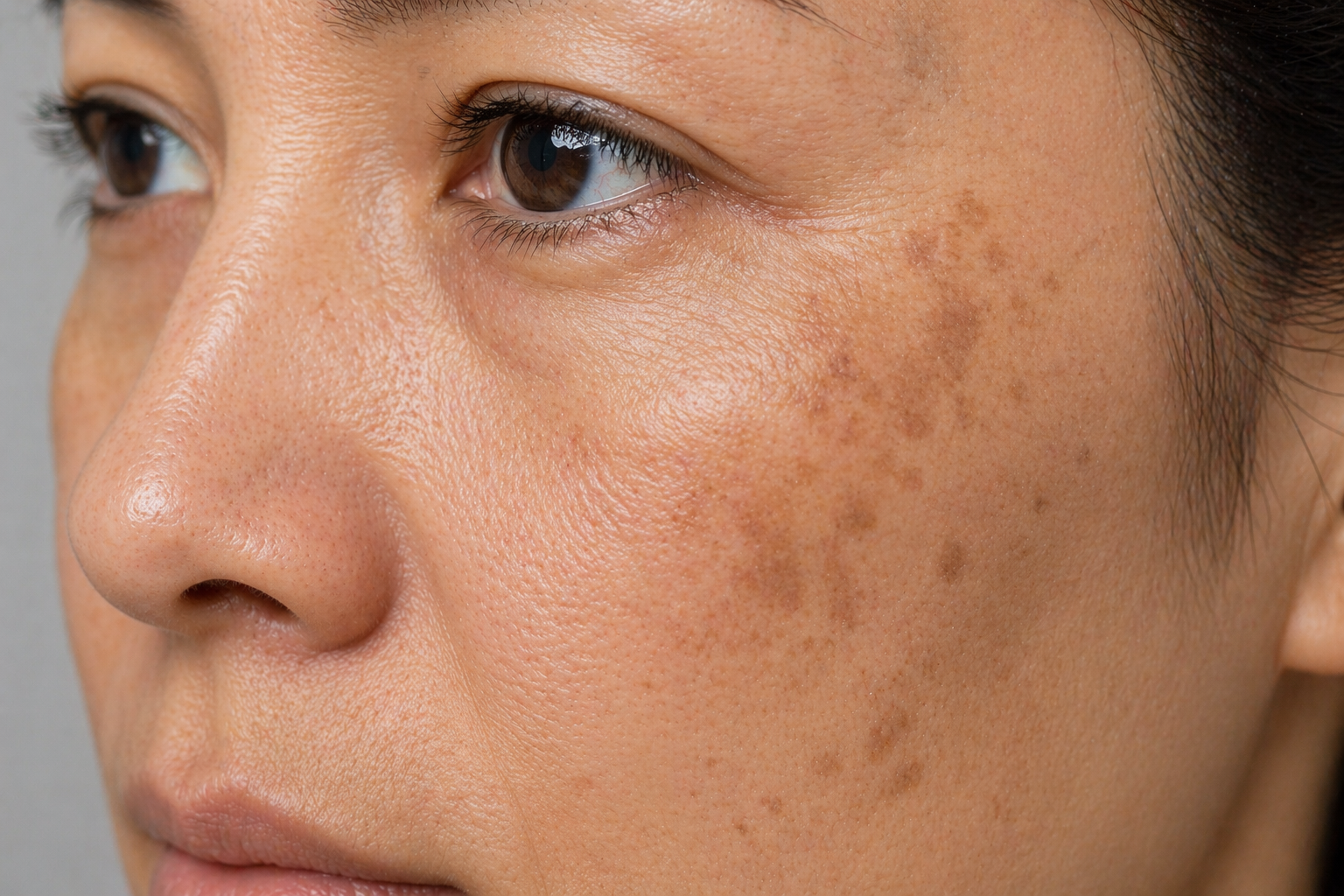
Lentigo (sun spots / age spots)
Larger, darker patches on sun-exposed areas. More common in Asian skin and can be less consistent in response to treatment.
What causes
pigmentation?
Excess pigmentation, or hyperpigmentation, occurs when the skin produces too much melanin.
Sun exposure
UV triggers melanin production and is the most common driver of surface pigmentation and recurrence.
Genetics
Some individuals are predisposed to freckles, melasma, or Hori's Naevus regardless of lifestyle.
Hormonal changes
Pregnancy, contraceptives, and hormonal fluctuations can trigger or worsen conditions like melasma.
Inflammation
Acne, eczema, or skin trauma can leave post-inflammatory marks, particularly in darker skin tones.
Ageing
Cumulative UV damage and slower cell turnover contribute to uneven tone and sun spots over time.
Recommended
Treatments
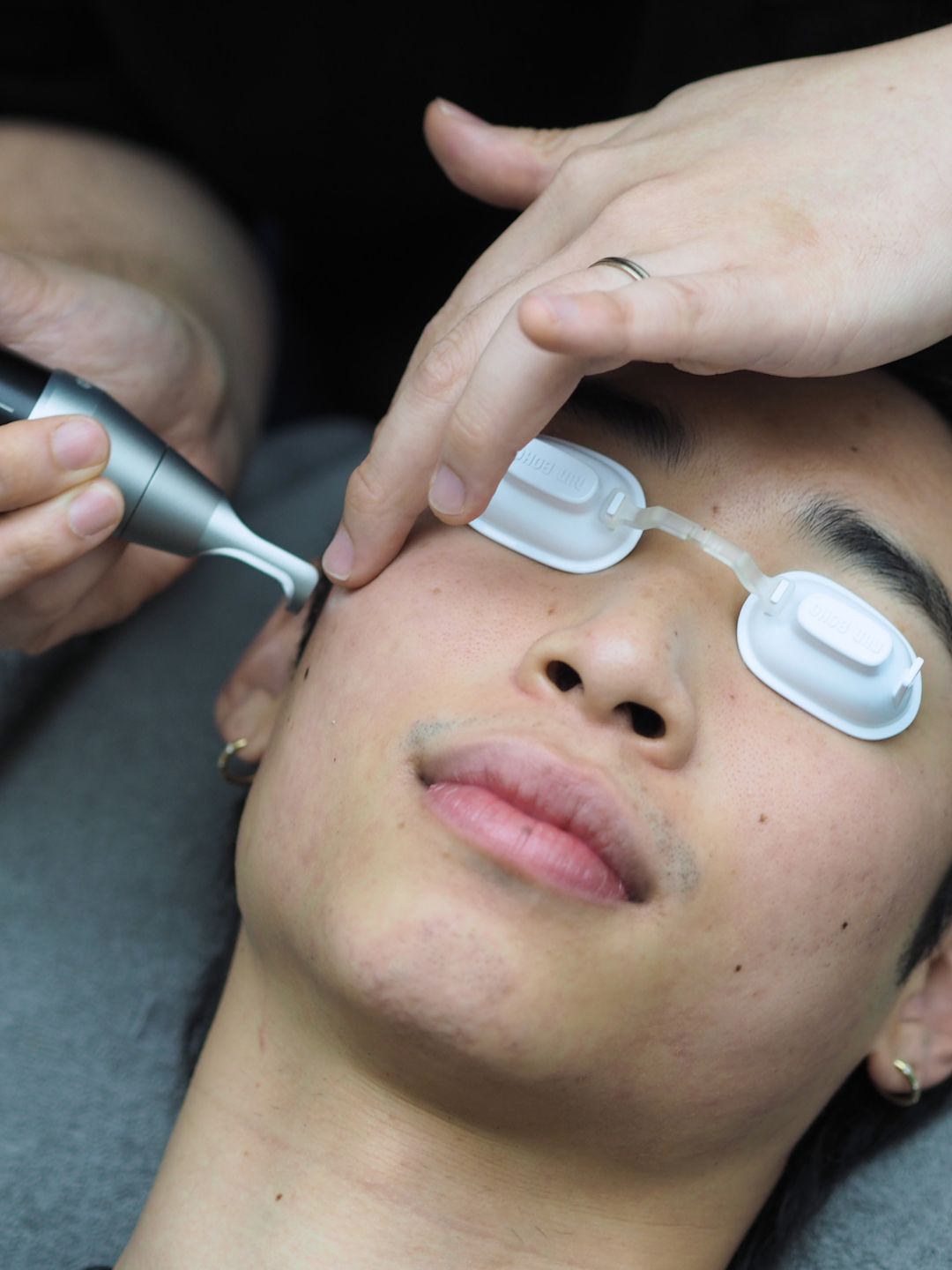
Our doctors will assess your pigmentation type and recommend a personalised treatment plan.
Progressive results with
Each Session
What to
Expect
Pigmentation treatment is a gradual process. Results depend on the type, depth, and cause of your pigmentation, as well as how consistently you protect your skin between sessions.
Most patients notice progressive improvement across a series of sessions. Superficial pigmentation such as freckles and mild sun spots typically responds faster, while deeper conditions like Hori's Naevus or melasma require more sessions and a longer-term maintenance approach.
Sun protection is essential throughout and after any pigmentation treatment programme to reduce the risk of recurrence.
Frequently Asked
Questions
Mild uneven skin tone can sometimes be managed with good sun protection and appropriate skincare. However, persistent, worsening, or unclear pigmentation should be assessed by a doctor to rule out underlying conditions and determine the most appropriate treatment.
Some mild post-inflammatory marks may gradually fade over time, especially with diligent sun protection. However, many forms including sun spots and melasma tend to persist or recur without treatment.
When performed by trained medical professionals with appropriate settings, pigment-targeting lasers can be safe and effective. Your doctor will assess your skin type, discuss potential risks, and advise on suitable options.
Yes. Pigmentation is often influenced by ongoing factors such as sun exposure and hormones. Maintenance measures, especially daily UV protection, are important to reduce the risk of recurrence.
Timeline varies depending on the type of pigmentation and treatment used. Most patients notice visible improvement across a series of sessions, with results continuing to develop in the weeks following each treatment.
Disclaimer
This page is for general educational purposes and does not constitute medical advice. Please consult our doctors for an accurate diagnosis and personalised treatment recommendations.