

What is
Sensitive Skin?
When your skin reacts to everything, finding the right approach matters.
Sensitive skin reacts easily to everyday factors such as skincare products, weather changes, heat, sweat, or environmental irritants.
People with sensitive skin may experience redness, tightness, stinging, or general discomfort even with products that others tolerate well. A medical consultation helps identify possible triggers and determine suitable treatment options.
Types of Sensitive Skin
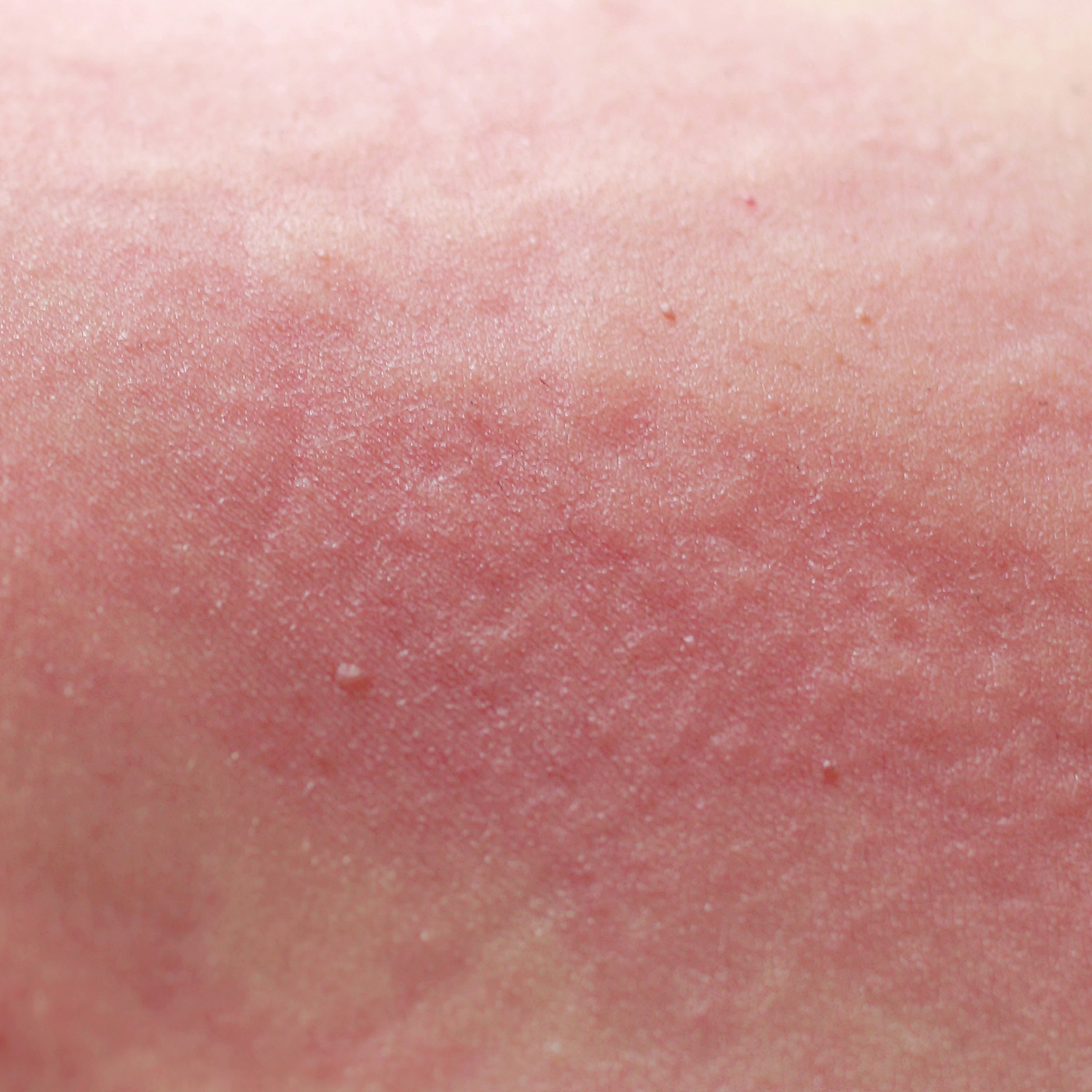
Weakened Skin Barrier
When the skin's protective layer becomes disrupted, irritants penetrate more easily, resulting in redness, stinging, or itching.
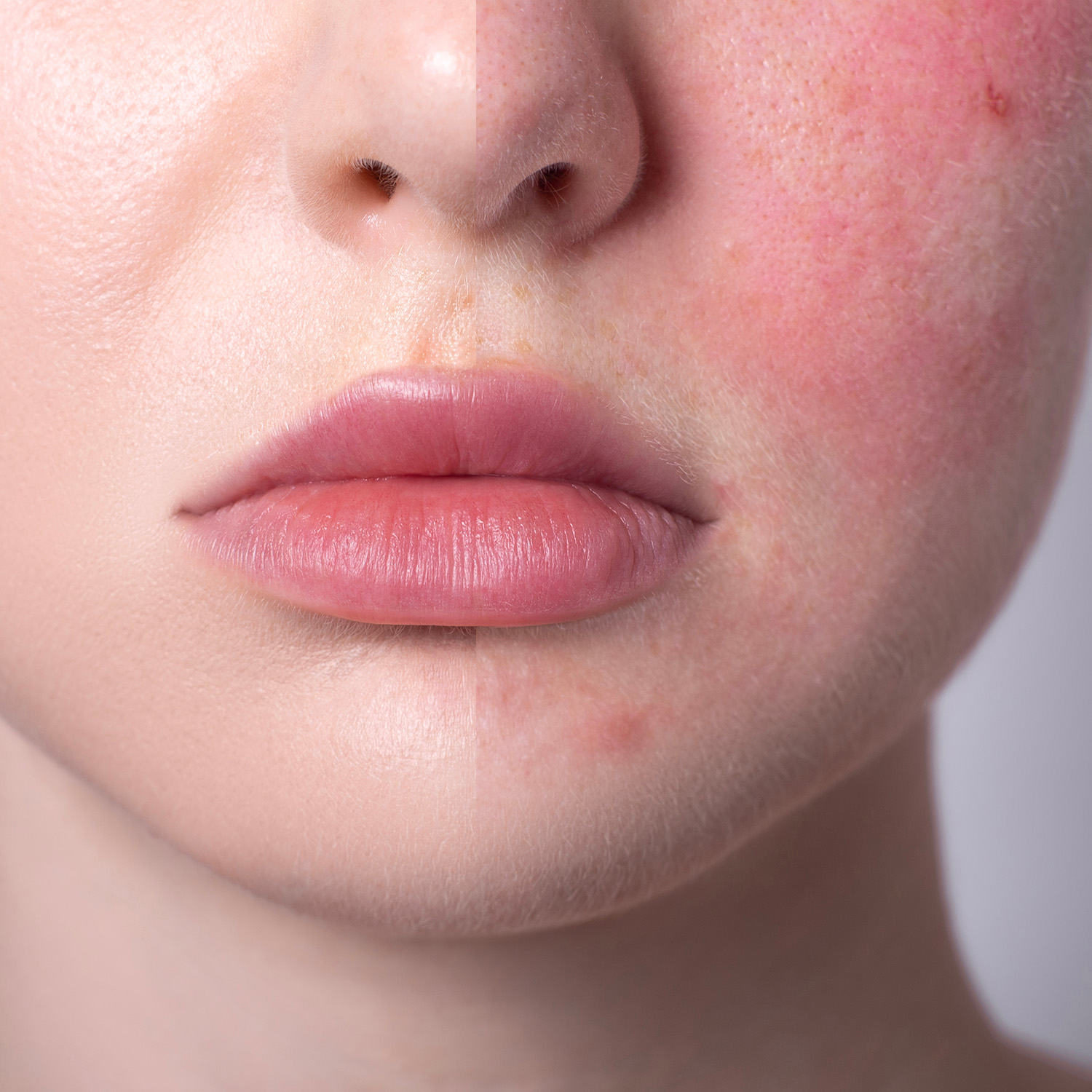
Dehydrated Skin
When the skin lacks sufficient moisture, it becomes tight, fragile, and reactive — even gentle products may cause discomfort.
Common signs of sensitive skin
Redness or flushing
Stinging or burning after using skincare
Dry, tight, or flaky patches
Small bumps or breakouts after new products
Discomfort after heat, cold, or sun exposure
What causes sensitive skin?
Over-use of active ingredients
Frequent or improper use of retinoids, acids, and exfoliants can weaken the skin barrier faster than it can repair itself.
Underlying conditions
Conditions such as eczema, rosacea, or contact dermatitis can contribute to persistent sensitivity.
Environmental triggers
UV exposure, heat, humidity, cold winds, stress, and hormonal fluctuations can all aggravate sensitive skin.
Genetics & skin type
Some individuals are naturally predisposed to thinner or more reactive skin, making them more susceptible to irritation.
Recommended
Treatments
Our doctors will design a gentle, stabilising treatment plan matched to your skin's tolerance.
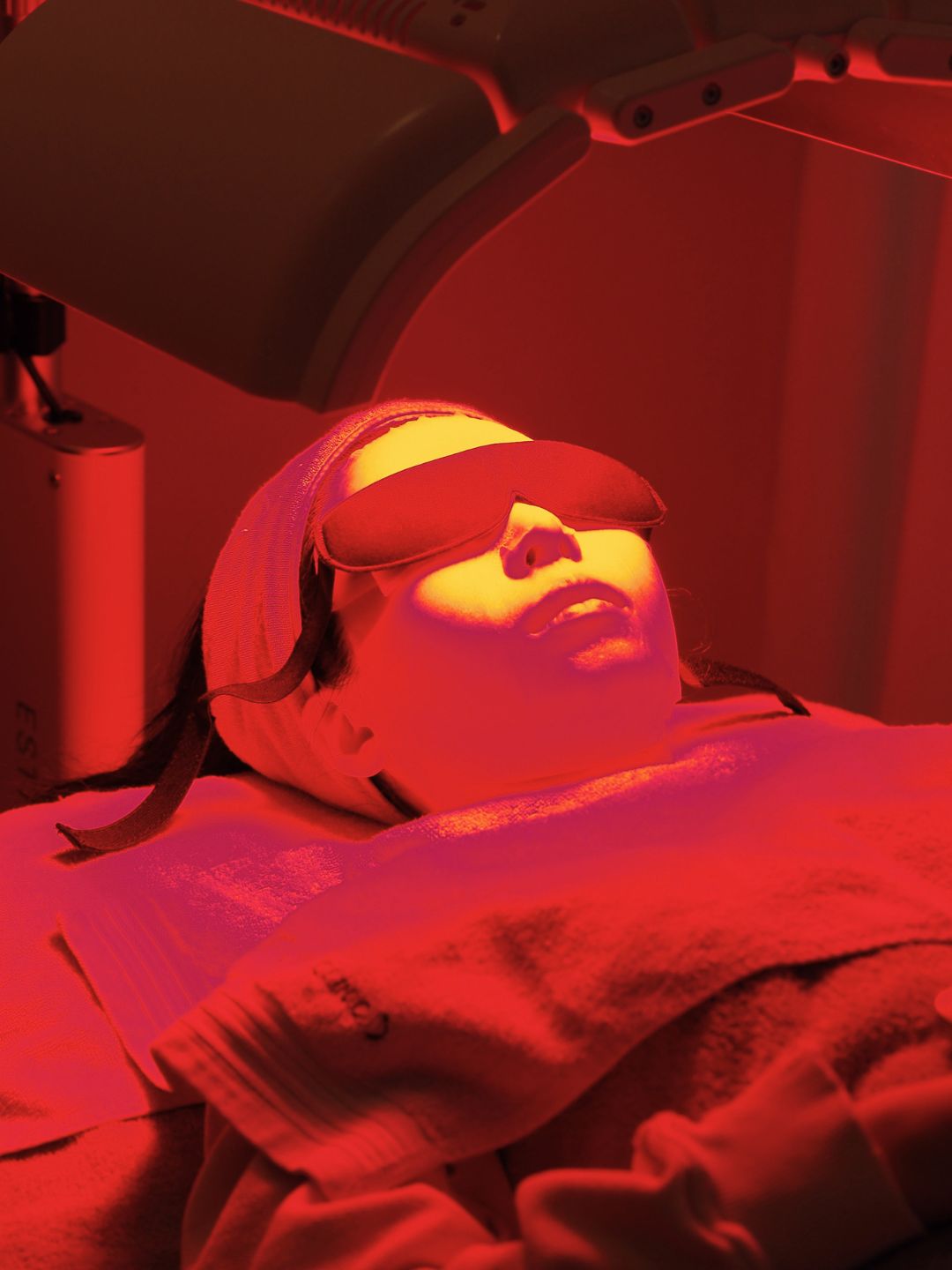
What to Expect
Treating sensitive skin requires a gradual, careful approach. The focus is always on calming, stabilising, and strengthening the skin before progressing to more advanced treatments.
Most patients notice improved comfort, reduced reactivity, and better hydration after an initial course of treatment.
Your doctor will design a plan that matches your skin's current tolerance.
Frequently Asked
Questions
A medical consultation is recommended if your skin reacts frequently, is difficult to manage with skincare, or if you suspect an underlying condition such as eczema or rosacea.
Yes, when performed by trained medical professionals using appropriate formulations. Your doctor will take your sensitivity level into account.
In some cases, yes. Certain laser treatments can be safely performed on sensitive skin with appropriate settings and preparation.
Yes. With the right skincare, lifestyle adjustments, and medical support, many patients see significant improvement in their skin's tolerance and resilience.
Disclaimer
This page is for general educational purposes and does not constitute medical advice. Please consult our doctors for an accurate diagnosis and personalised treatment recommendations.