
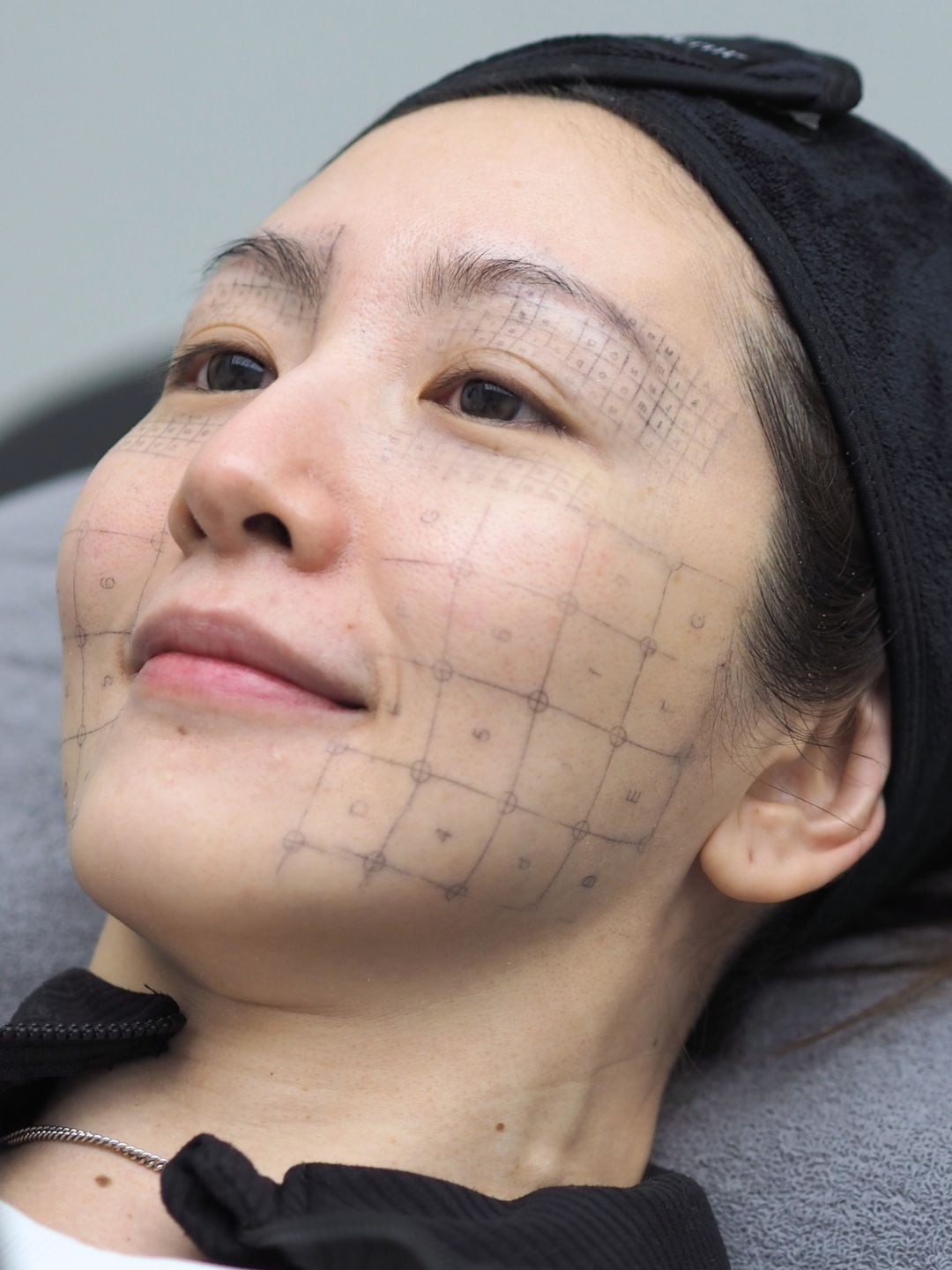
Density and Thermage are both radiofrequency (RF) skin tightening treatments. Thermage uses monopolar RF, whereas Density uses a dual-mode approach using both monopolar and bipolar RF in the same treatment.
This article explains how each works and how a licensed doctor decides which suits a given person. It describes differences; it does not declare a winner.
Why compare two RF devices?
Most skin tightening comparisons pit radiofrequency against ultrasound, usually Thermage against HIFU or Ultherapy. Density and Thermage are both radiofrequency, so the differences are more subtle. It comes down to how the RF energy is delivered, how many sessions are typical, and how the treatment feels. Understanding that nuance is exactly why a doctor's assessment is useful rather than a simple device-name choice.
What is Thermage, and how does it work?
Thermage (current generation: Thermage FLX, 2018, by Solta Medical) is a monopolar radiofrequency treatment. A single active tip delivers RF energy through the full thickness of the dermis while a return pad completes the circuit. The energy heats the deep, collagen-rich dermis, causing an immediate tightening of existing collagen and then a slower rebuilding of new collagen over the following months.
The FLX generation adds a few refinements: an auto-tuning system that adjusts energy pulse by pulse, a vibrating tip to ease the sensation, and surface cooling to protect the skin. Thermage is FDA-cleared for non-invasive smoothing of skin on the face, eyes, and body, and has a long track record in clinical use.
What to expect
Skin tightening and improvement in laxity. Improvement builds over three to six months as collagen remodels, and results are often described as lasting up to one year, with maintenance considered periodically. Downtime is minimal. Numbing cream is commonly applied, as the treatment involves a heating sensation with each pulse.
What is Density, and how does it work?
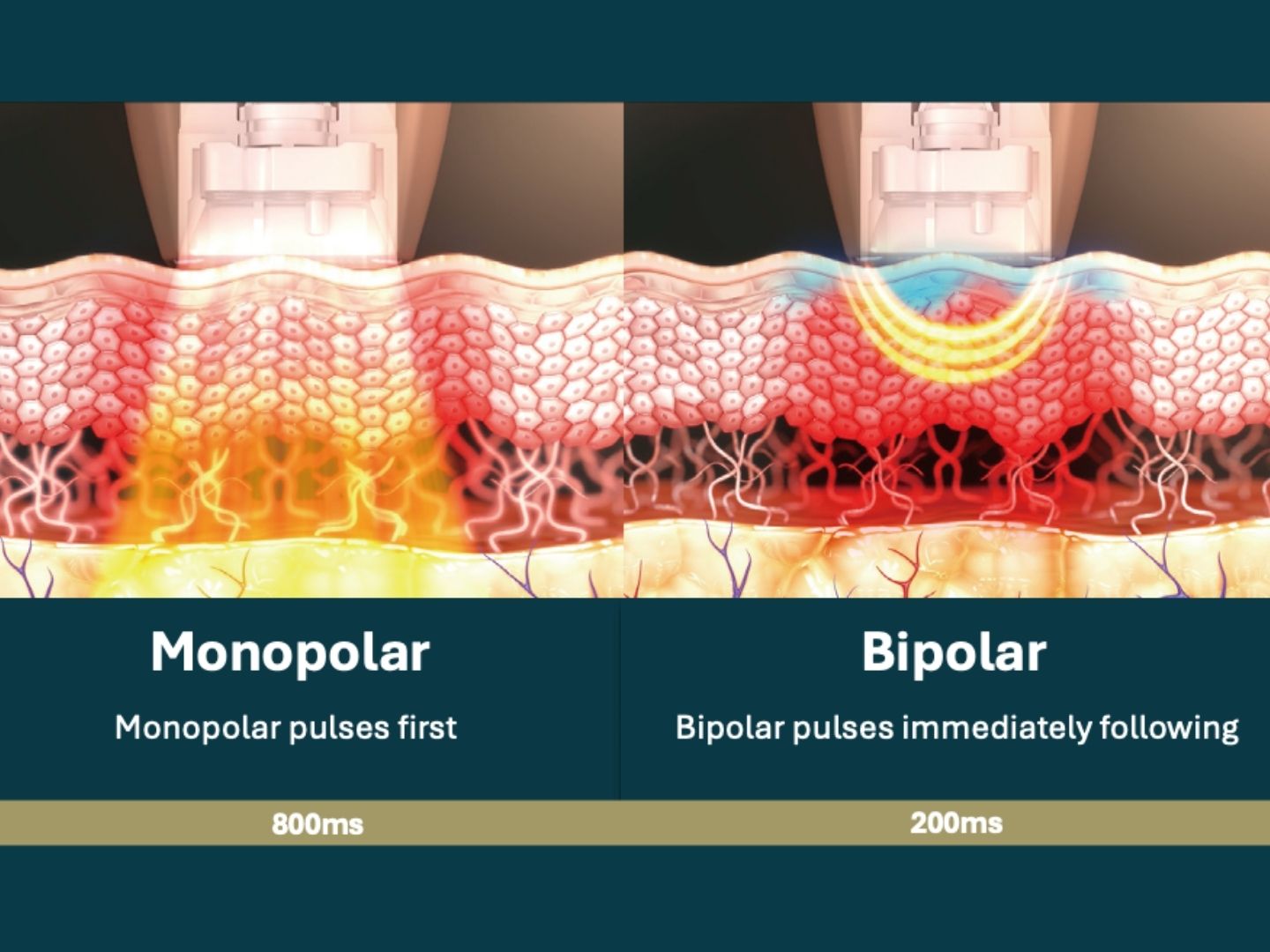
Density, by Jeisys Medical, is a latest generation radiofrequency device. It combines deeper monopolar RF with shallower bipolar RF simultaneously, with the aim of stimulating collagen and elastin at more than one depth in a single treatment. This provides an earlier visible improvement compared to other similar RF devices. Density also has an auto-tuning system that ensures correct energy pulse by pulse, and uses an adjustable cryogen cooling which is significantly more comfortable. It often does not require numbing cream, while providing at least comparable, if not superior results.
What to expect
Immediate skin tightening and improvement in laxity. Improvement continues to build over three to six months as collagen remodels, and results are often described as lasting up to one year. Numbing cream, while not always required, will be applied for greater comfort. Downtime is typically minimal, with possible short-lived redness.
Side by side
| Thermage FLX | Density | |
|---|---|---|
| Maker | Solta Medical | Jeisys Medical |
| RF type | Monopolar | Monopolar + bipolar |
| Energy delivery | Single-depth volumetric heating | Sequential heating at multiple depths |
| Typical sessions | Usually 1 to 2 per year | Usually 1 to 2 per year |
| Comfort approach | Vibrating tip + cooling; numbing required | Multi-level cooling; numbing optional |
| Results onset | Builds over 3 to 6 months | Immediate, then builds over 3 to 6 months |
| Track record | Long, well established | Newer, improved device |
Both Thermage and Density are more similar than different, and aim to reach a similar biological endpoint: stimulating your own collagen for skin tightening.
How does a doctor decide which is right for you?
At Reborn Skin Clinic, our doctor considers several things before suggesting either treatment:
Degree and type of laxity
Mild-to-moderate looseness is the general territory for both; the nuance is in how your skin responds and where the laxity sits.
Comfort sensitivity
If pain sensation during treatment is a real concern, that shapes the conversation.
Session preference and schedule
A single intensive session followed by maintenance sessions will be discussed to fit each individual.
Treatment history and skin condition
What you have had before, and how your skin responded, informs the plan.
Contraindications
RF treatments are generally avoided in pregnancy, with electrical implants such as pacemakers, over active skin infections, and in certain medical conditions, which is why a full history is taken first.
The honest answer is that "Density versus Thermage" rarely has a one-size answer. Both are credible RF treatments. Density is the newer, more comfortable treatment with earlier results; Thermage is older and with the longer track record. The right fit depends on your skin, your tolerance, and your goals.
What a session at Reborn involves
It starts with a consultation, where the doctor assesses your skin and explains whether RF tightening is appropriate and which approach fits. On treatment day, the relevant device is used with its cooling, and numbing if applicable, to deliver the RF energy across the planned area. Afterward, any redness is usually short-lived and you can generally resume normal activities. Your doctor will explain what is normal and what to watch for.
At Reborn, the RF option is Density Tighten Face. If you are also weighing ultrasound, see our guide on Density RF versus Ultherapy and HIFU.
Frequently asked questions
Can I have Thermage or Density if I've had other skin-tightening treatments before?
Often yes, but it depends on what you have had and when. We will first review your history, current skin condition, and suitable intervals before recommending a plan.
How often should RF skin tightening be repeated?
It depends on the device and how your skin responds. Both Thermage and Density are usually a single session with maintenance considered periodically at around 6 to 12 months. Your doctor will advise based on your assessment.
Is one of them more comfortable than the other?
Both build in comfort features. Thermage FLX uses a vibrating tip and cooling, and numbing cream is commonly applied. Density is more comfortable, uses multi-level cooling, and is designed to be tolerable often without numbing. Individual experience varies.
Which is better, HIFU, Thermage, or Density?
They work differently. HIFU and Ultherapy use ultrasound and can target the deeper SMAS layer, while Thermage and Density use radiofrequency to heat the dermis. There is no universally better option. The right choice depends on your anatomy, skin condition, and goals, and is best determined at a doctor consultation.
Who should avoid RF skin tightening?
RF treatments are generally not advised during pregnancy or breastfeeding, for people with electrical implants such as pacemakers, over active skin infections, or with certain medical conditions. A full medical history is taken before any treatment at Reborn Skin Clinic.