
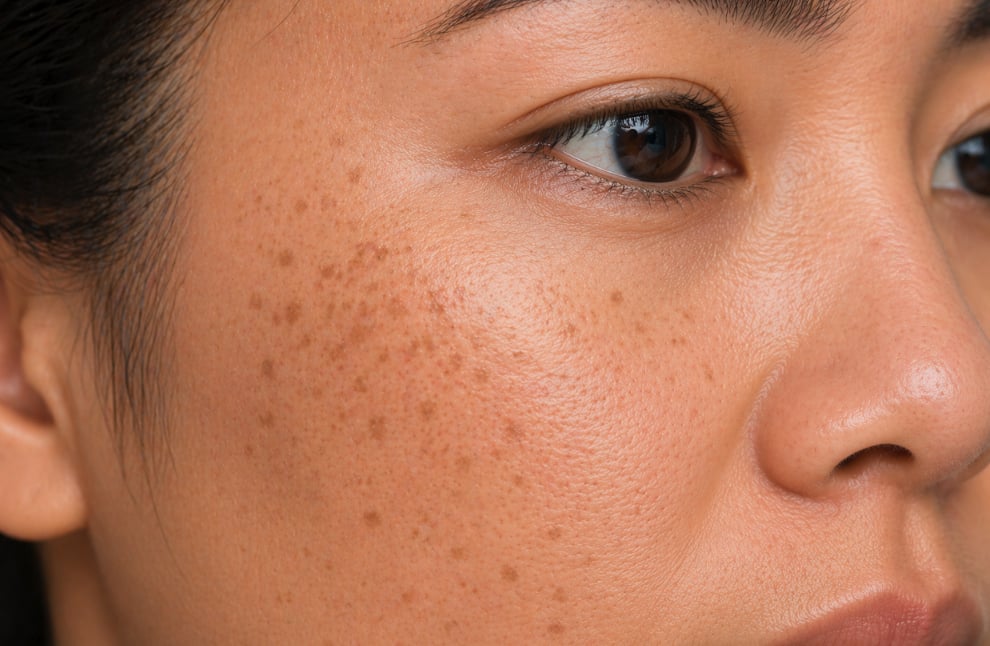
There is no single way to remove pigmentation, because the right approach depends entirely on what kind you have. What clears a sunspot can be ineffective, or even make things worse, for melasma.
This guide explains the main types of pigmentation, compares the treatment options from sunscreen and topicals to peels and lasers, and explains why a doctor's assessment of the type and depth is the step that decides everything.
What is pigmentation, and why does it vary?
Pigmentation comes from melanin, made by cells called melanocytes using an enzyme called tyrosinase. When melanocytes are triggered by UV light, hormones, or inflammation, they produce more melanin, which shows up as darker patches.
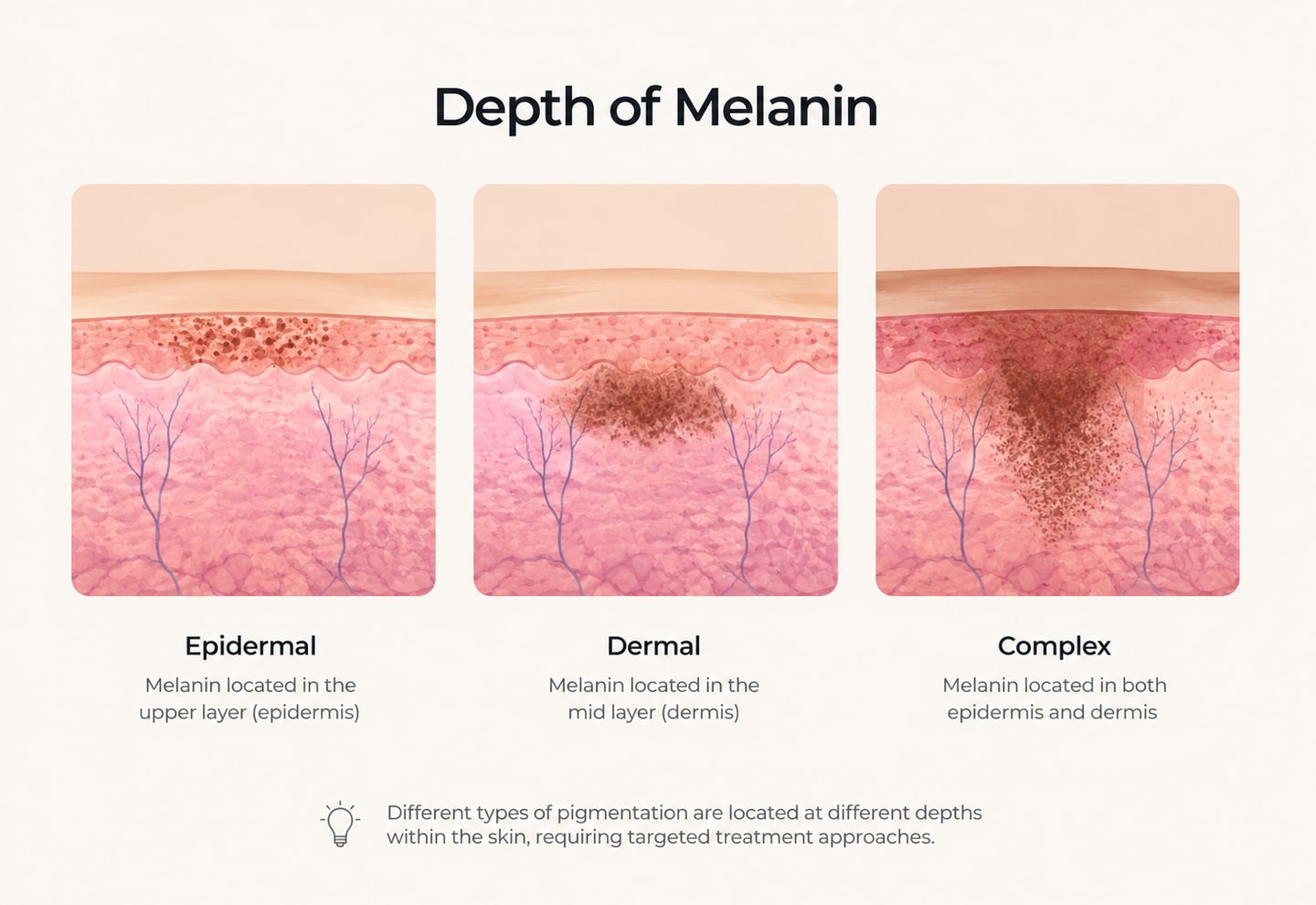
The single most important distinction is depth. Epidermal pigmentation sits closer to the surface and generally responds better to treatment. Dermal pigmentation sits deeper and is harder to shift. Many conditions are a mix of both, which is why a quick glance in the mirror is not enough to plan treatment.
Types of pigmentation and what each means for treatment
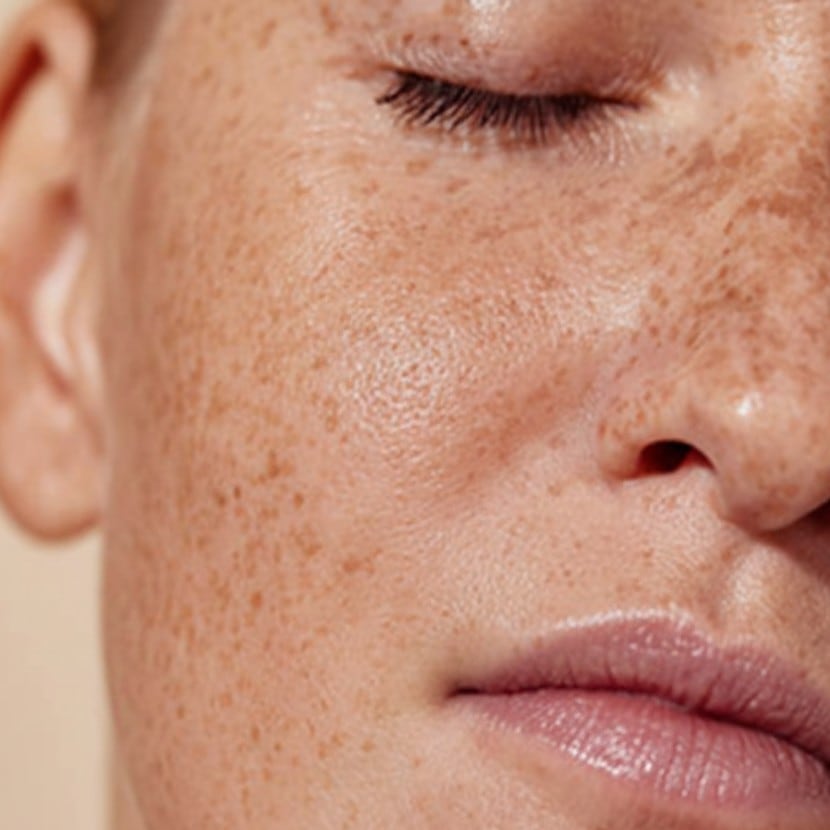
Freckles and solar lentigines
EpidermalSunspots and age spots are epidermal, driven by UV exposure, and tend to respond relatively well, though they can return without sun protection.
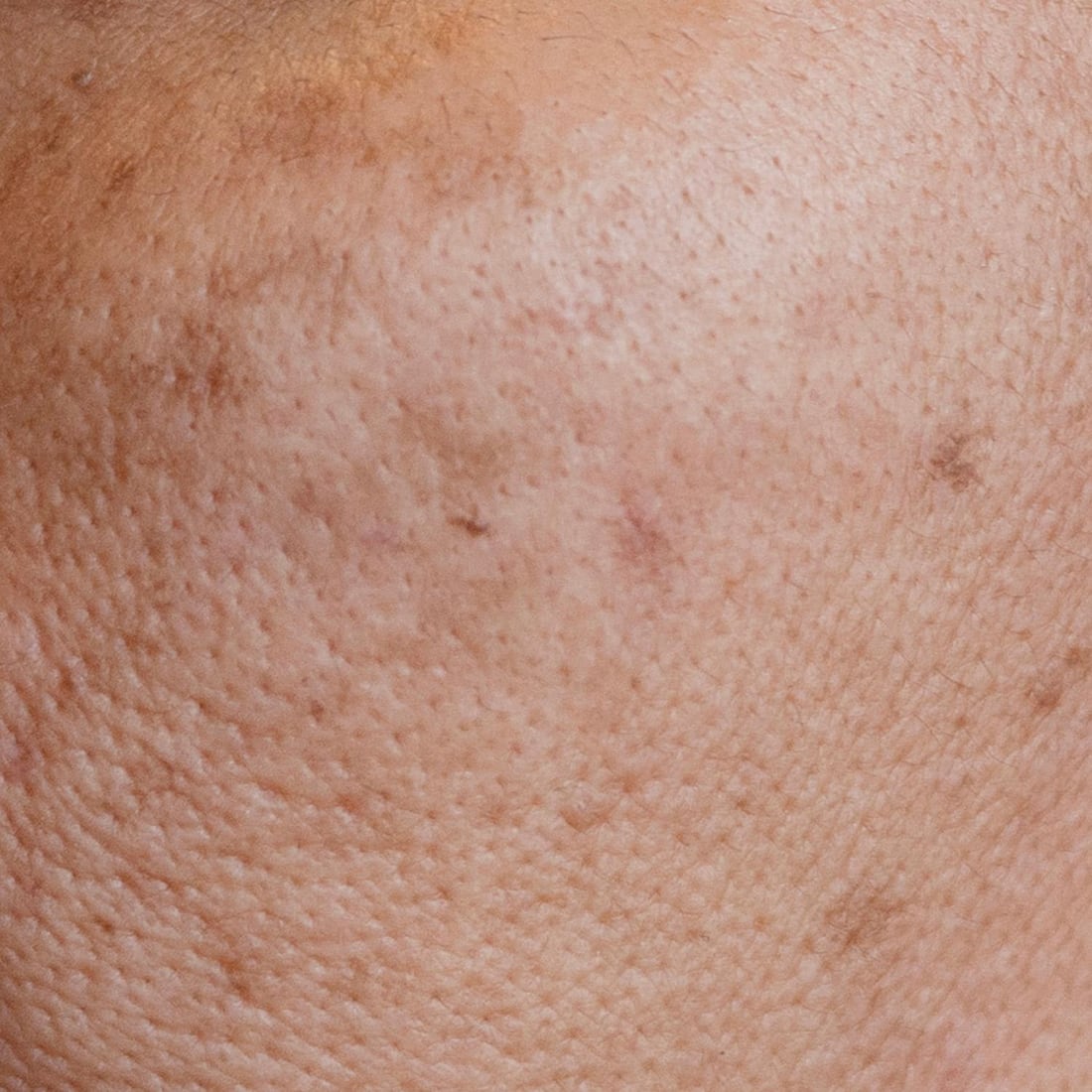
Post-inflammatory hyperpigmentation (PIH)
Epidermal or deeperThe flat marks left after acne, eczema, or skin trauma. It is more common in darker skin tones and can be epidermal or extend deeper.
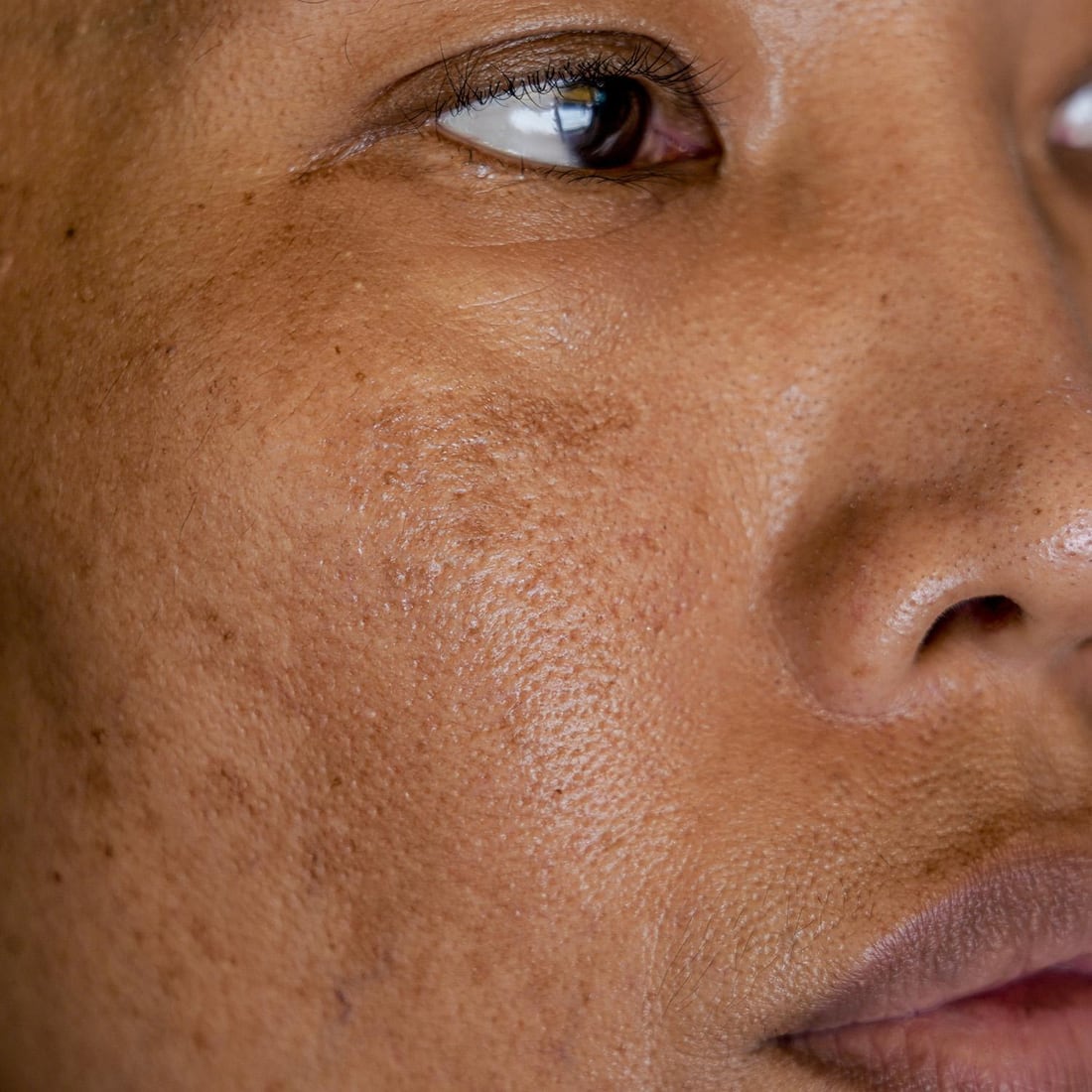
Melasma
Mixed depthsThe trickier one: poorly defined grey-brown patches, usually on the cheeks, forehead, or upper lip, often hormonal, frequently with a vascular component, and sitting at mixed depths. It needs a cautious approach, which we will come back to.
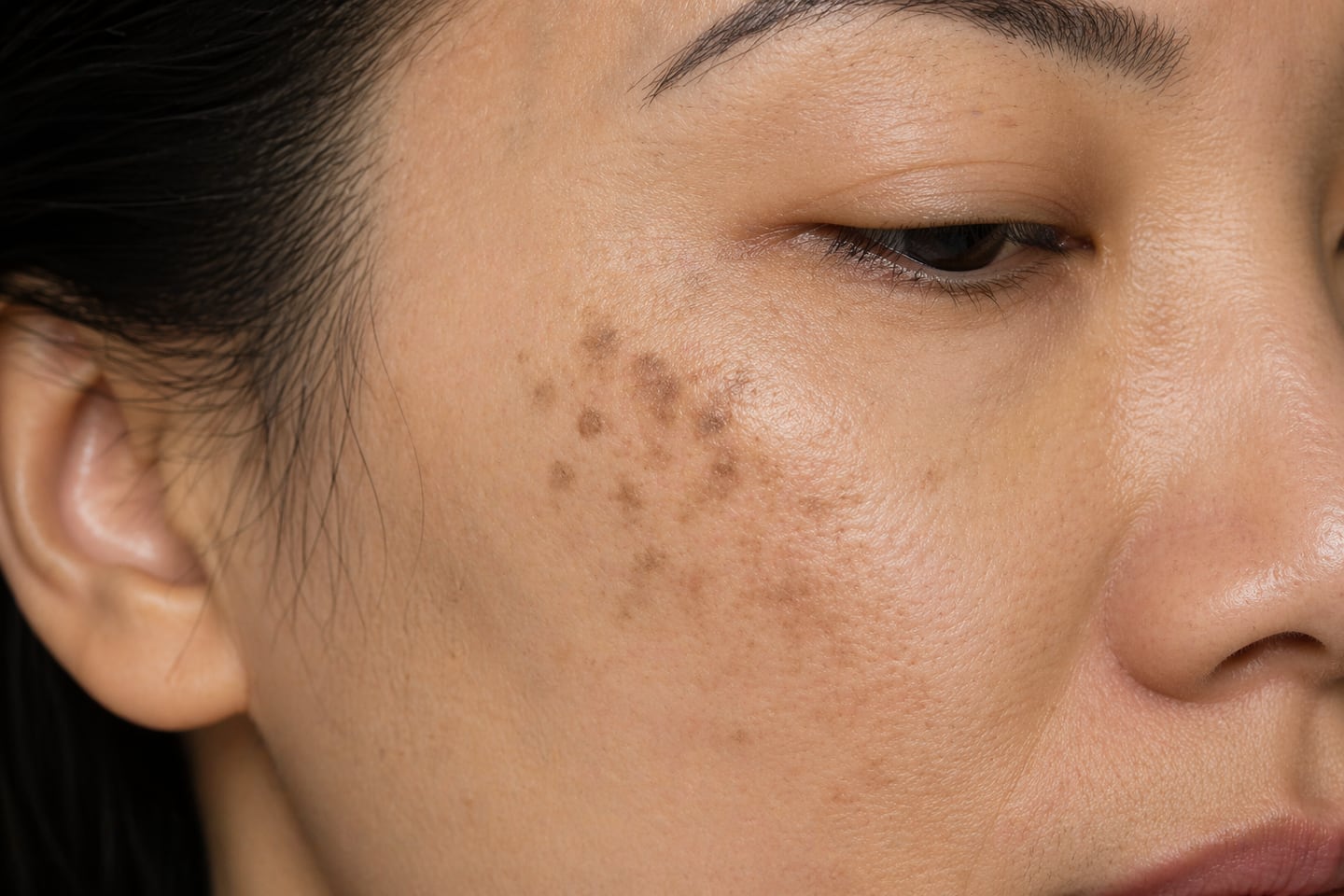
Hori's naevus
DermalA dermal pigmentation that appears as bilateral slate-grey patches, and is common in Asian skin. Because it is deep, it only responds to appropriate laser treatment rather than surface treatments.
Treatment options compared
Sun protection: the non-negotiable foundation
In Singapore, with a UV index around 10 to 12 all year, UV exposure is the main reason pigmentation appears and recurs. Broad-spectrum sunscreen (SPF 50+), worn daily, is not optional maintenance. Without it, every other treatment underperforms.
Topical treatments
Ingredients that inhibit tyrosinase, such as hydroquinone, kojic acid, arbutin, and azelaic acid, reduce melanin production. Retinoids speed up cell turnover to disperse pigment. These are useful for epidermal pigmentation and as part of a broader plan, though some, like hydroquinone, are used only for limited periods under guidance.
Oral medication
Tranexamic acid, a prescription medicine, is sometimes used for melasma because it reduces UV-triggered melanocyte stimulation and the vascular component. It is doctor-prescribed and not suitable for everyone.
Chemical peels
Glycolic or salicylic acid peels exfoliate the surface and can help mild epidermal pigmentation, but over-aggressive peels carry a PIH risk in darker skin, so strength and frequency need care.
Laser treatments
Photoacoustic lasers (such as Q-switched nano or pico lasers) shatter pigmentation into small fragments that the body clears. Gentler but meticulously done and adjusted lower-energy laser toning is used for gradual improvement of melasma and maintenance. Other lasers help regulate blood vessels, resurfacing skin and otherwise complement the improvement process. The key principle is matching the wavelength and energy to the pigment's depth, which is a clinical decision, not a one-setting-fits-all one.
Radiofrequency microneedling (RFM)
Radiofrequency microneedling helps to improve and restore the basement membrane of the skin, helping to regulate the pigment producing cells and can be very useful to help to improve melasma and overall pigmentation when done properly.
Combination approaches
In practice, several of these are often used together, since pigmentation rarely has a single cause.
A note on melasma, and why it needs a different approach
Treating melasma like an ordinary sunspot can backfire. It is sensitive to heat and inflammation.
Aggressive, high-energy laser can trigger an inflammatory response that increases pigment rather than clearing it. For this reason, melasma is usually managed with gentler, lower-energy protocols, combined with topical support, sun protection, and sometimes oral tranexamic acid. The realistic goal is management over time, not a one-off cure.
Why Singapore's sun makes maintenance harder
The same near-equatorial UV that makes pigmentation so common here also makes it recur readily. Daily sunscreen, protective clothing, and avoiding peak sun are part of the treatment, not an add-on. Patients in Singapore face a tougher maintenance challenge than those in cooler, cloudier climates, and a treatment plan that ignores this tends to disappoint.
How a doctor assesses your pigmentation
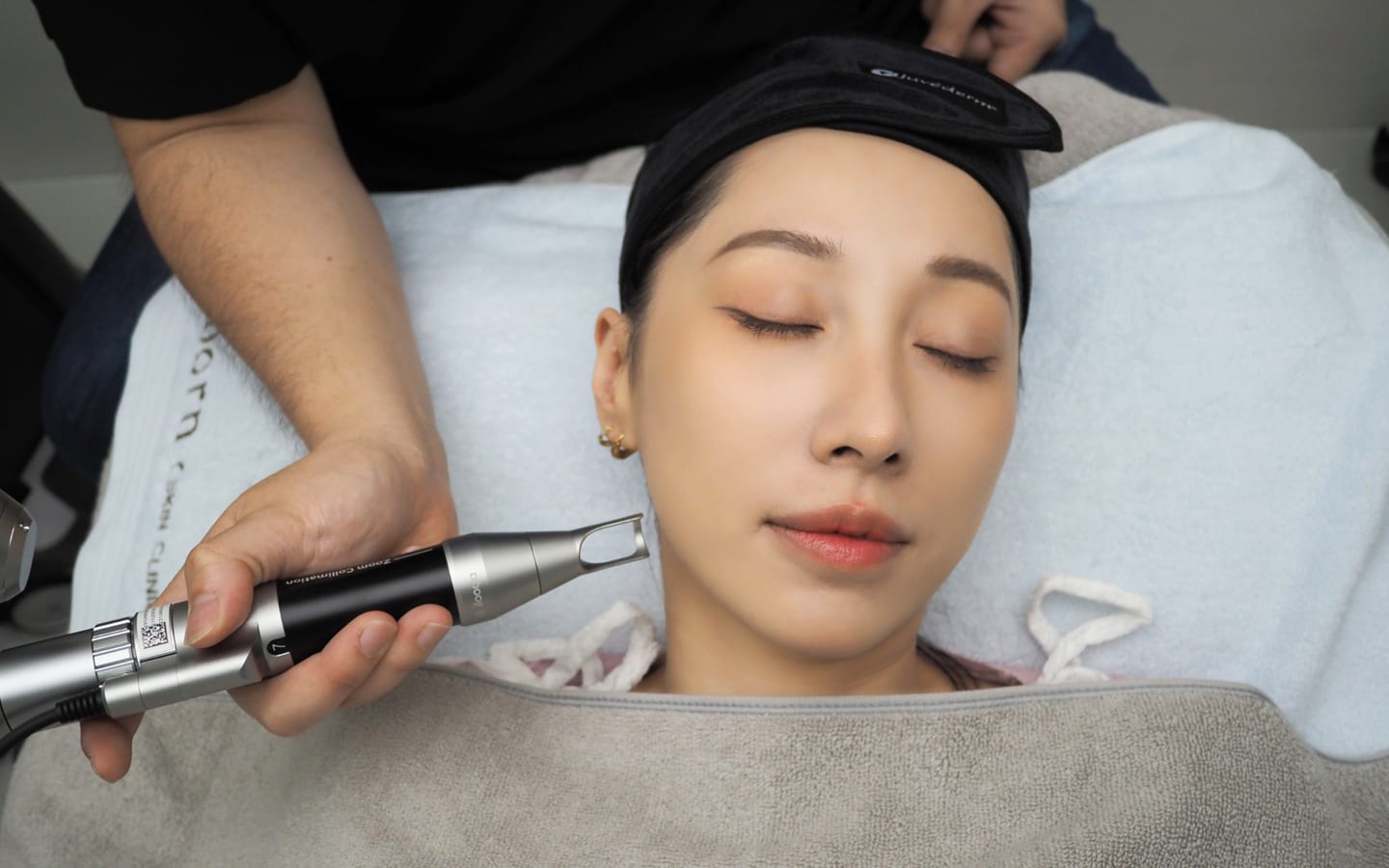
A doctor identifies the type and depth using visual examination and, if required, tools such as a Wood's lamp or skin analysis, because the wrong treatment at the wrong settings can worsen pigmentation. You can read more on the pigmentation concern page, and if you are unsure what you are dealing with, it is worth requesting a consultation rather than guessing from a photo.
At Reborn, options range from gentler non-ablative laser, such as the Luminance Glow Laser for mild to moderate surface pigmentation, through to other laser and supportive treatments for more complex cases. Which one suits you is decided after a doctor assesses the type and depth, not before.
Frequently asked questions
Can pigmentation be permanently removed?
Some types, such as isolated sunspots, may be significantly reduced. Others, especially melasma, are ongoing conditions influenced by sun and hormones, so long-term maintenance and sun protection are usually needed. Results vary between individuals.
Does it matter which treatment I use for my pigmentation?
Yes, significantly. Surface and deep pigmentation respond to different treatments, and using the wrong one may be ineffective or, in some cases, make things worse. A doctor assesses type and depth before recommending anything.
Why might laser make my melasma worse?
Melasma is heat- and inflammation-sensitive and sits at mixed depths. Aggressive laser can trigger an inflammatory response that increases pigment. Gentler, lower-energy protocols combined with topical support and sun protection are generally preferred.
How many sessions will I need?
It depends on the type. Surface freckles and sunspots may respond in a few sessions, while deeper conditions like Hori's naevus or melasma typically need more and an ongoing maintenance approach.
Is sunscreen really that important during treatment?
Yes, especially in Singapore. With a year-round UV index of 10 to 12, UV is the most common reason pigmentation returns. Daily broad-spectrum SPF 50+ is an essential part of any pigmentation plan.